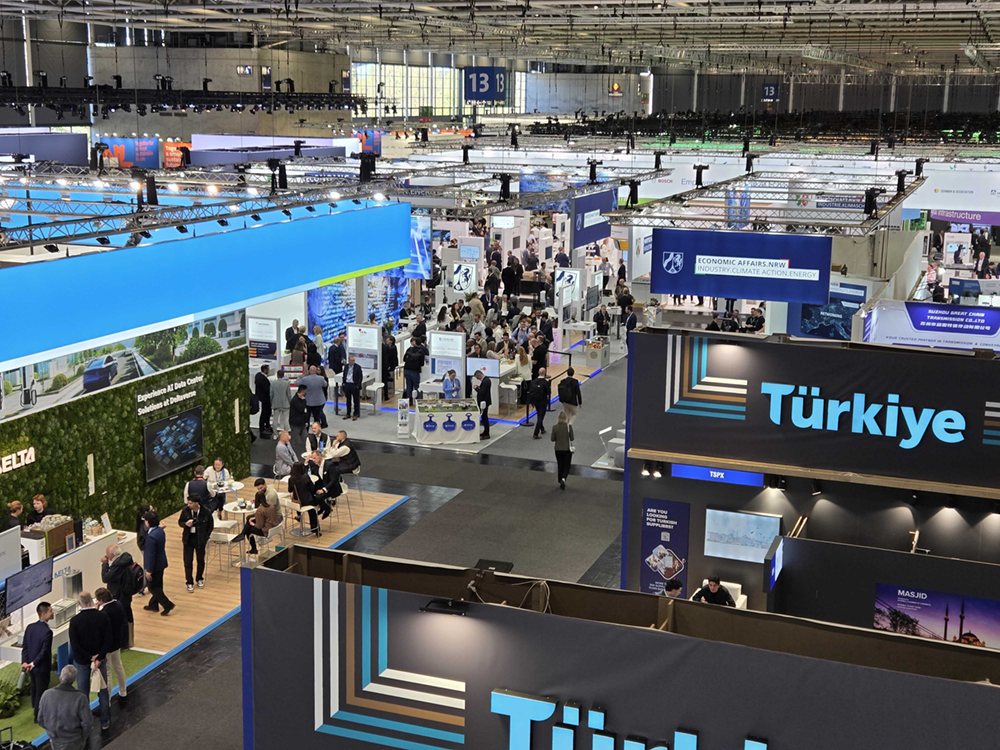
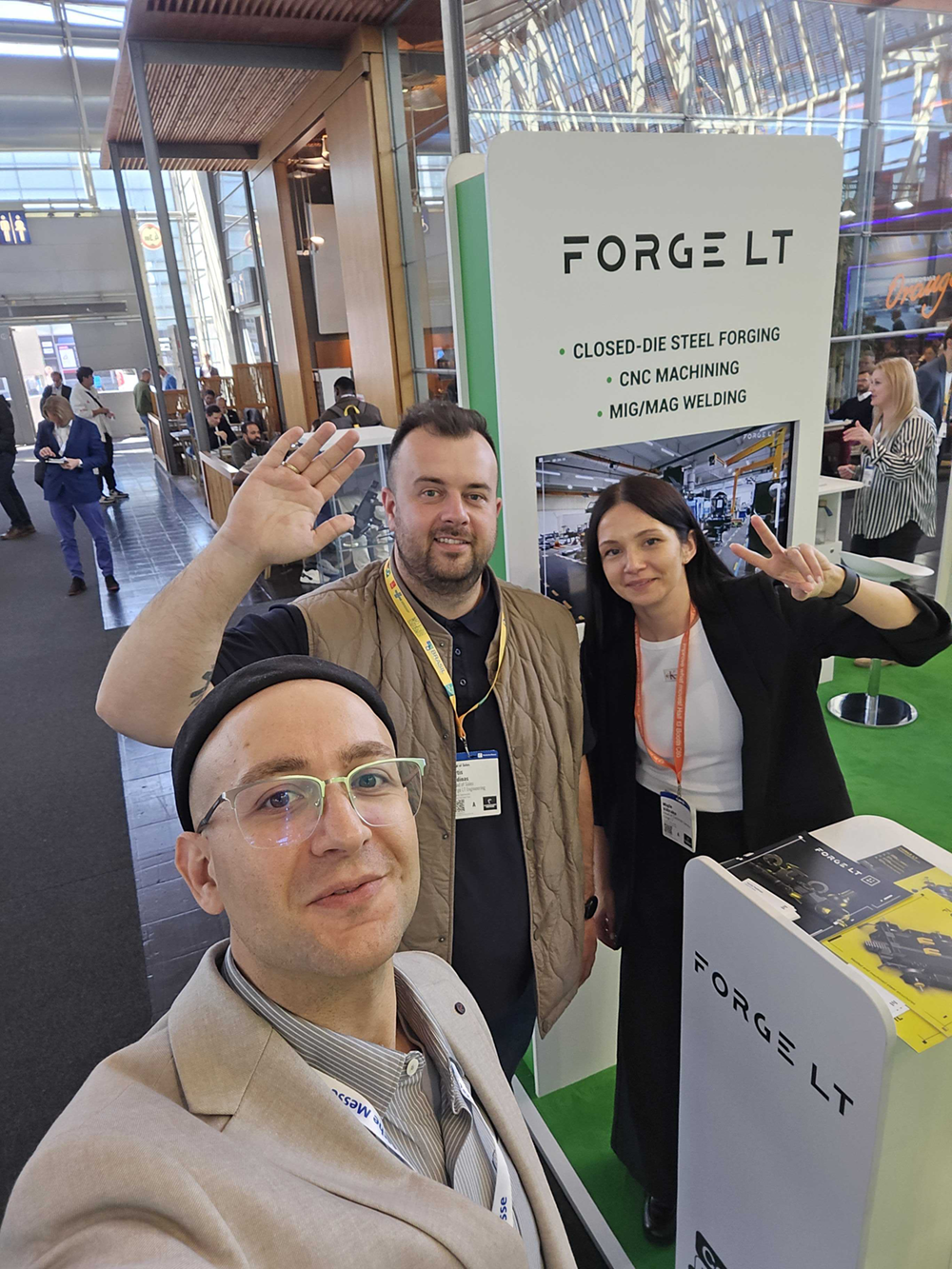
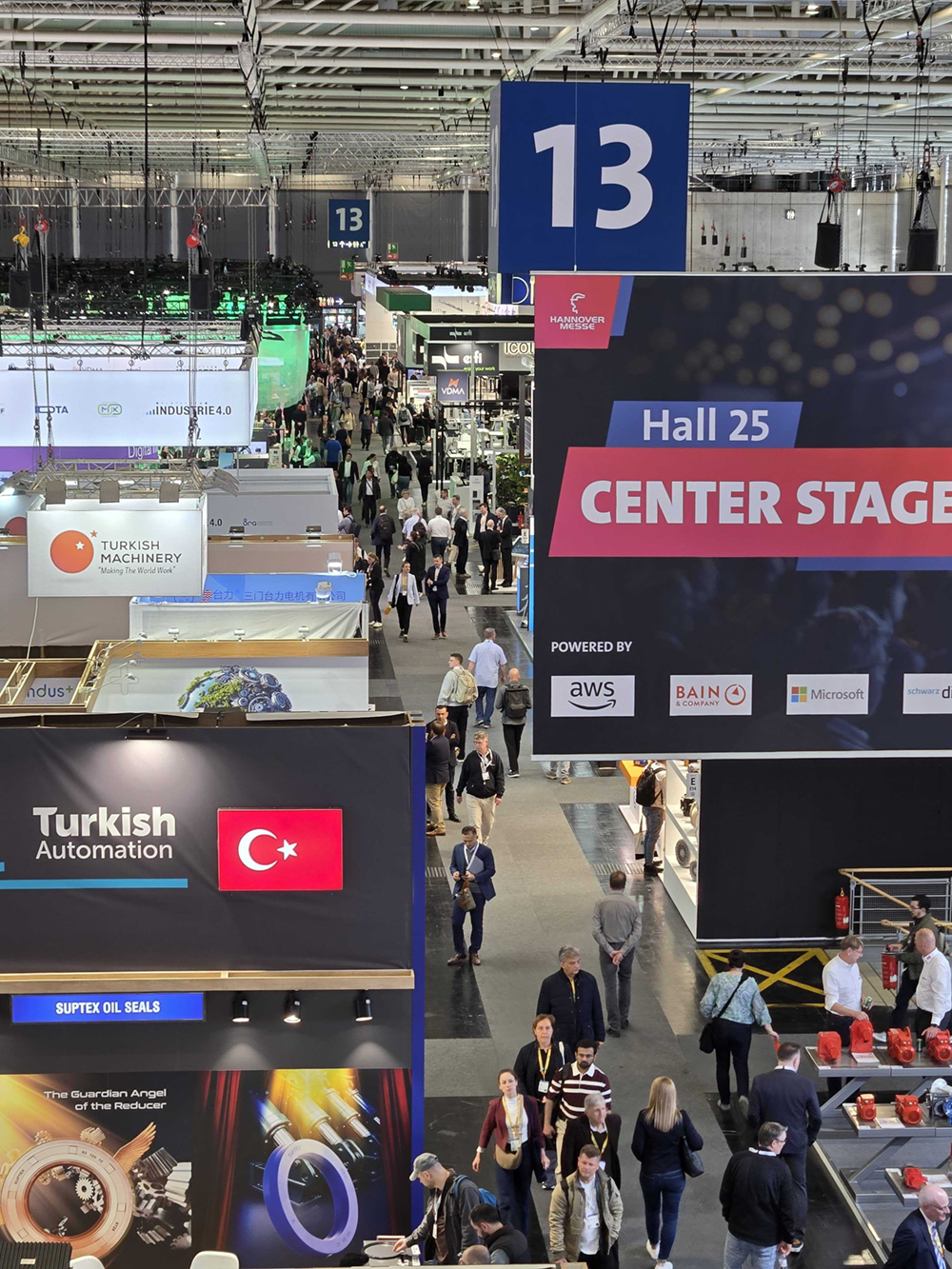
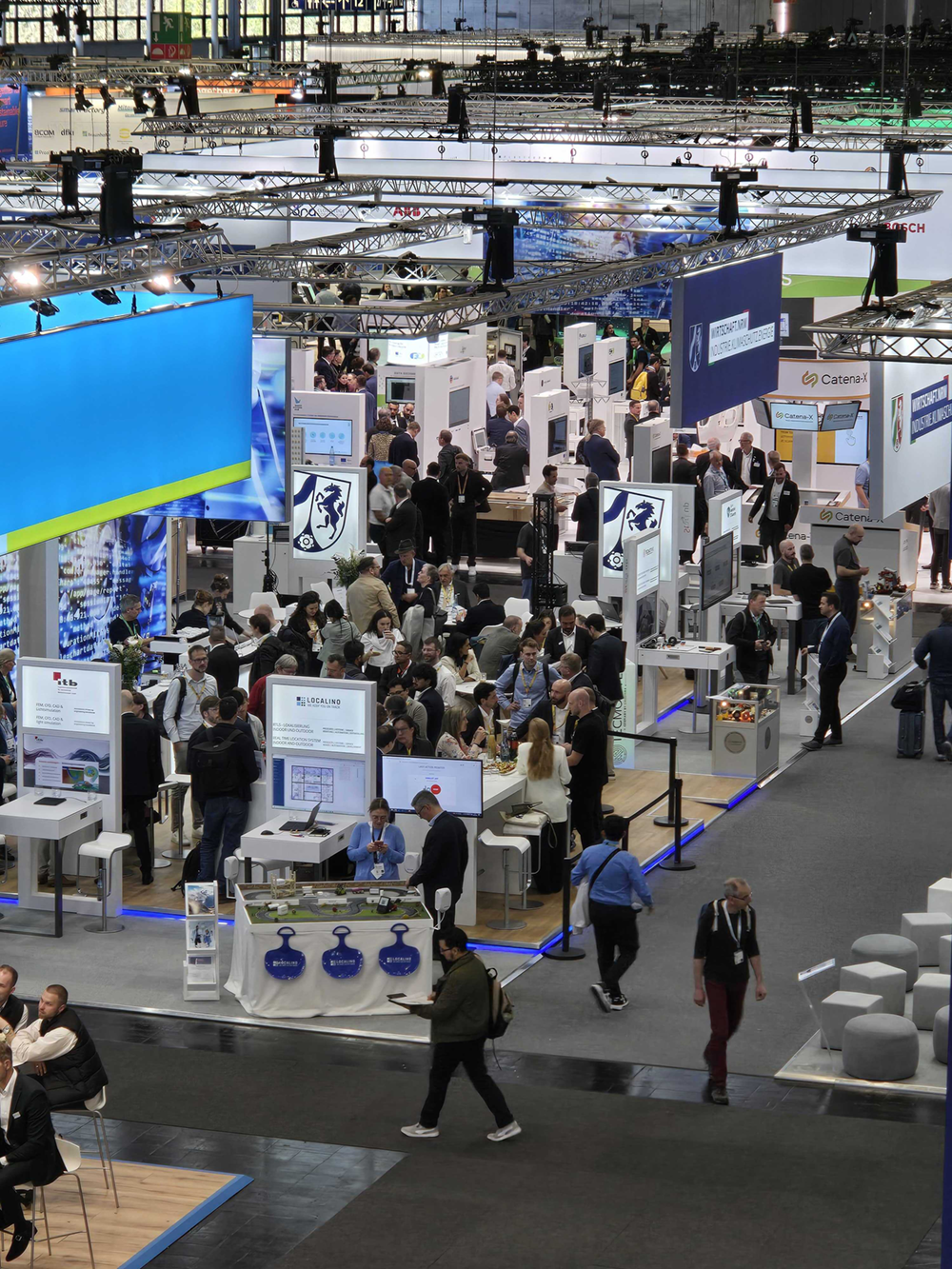
I spent a few days at Hannover Messe last month. It’s one of those events where you get a clear sense of where things actually stand in manufacturing – not just the demos, but the conversations with people who run the lines every day.
The “Think Tech Forward” theme set the tone, with a strong emphasis on industrial AI, automation, and making factories smarter and more sustainable. There were sessions on computer vision for quality inspection, agentic systems, and scaling AI beyond pilots. What stayed with me, though, were the repeated frustrations I heard from quality managers, operations leads, and engineers across aerospace, composites, metals, electronics, and building materials.
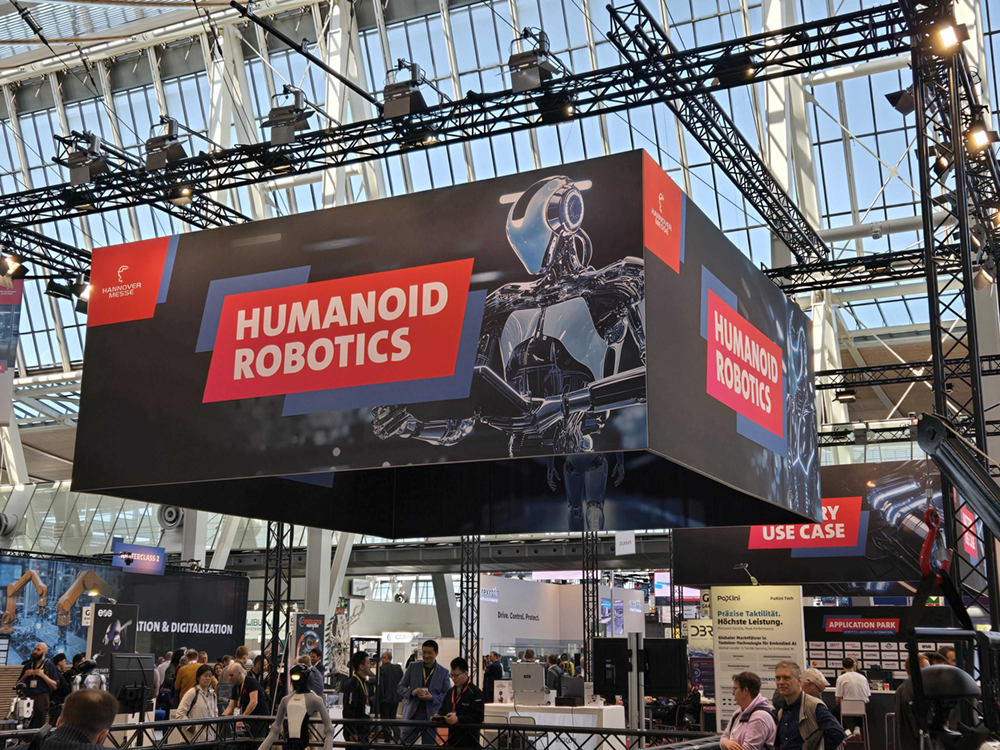
The core issues haven’t changed much: rare defects that give you too few real examples to train on reliably, highly variable or noisy surfaces that throw off traditional vision systems, and the long, resource-heavy process of collecting, labelling, and retraining models every time a product variant changes. Many teams described projects that looked promising in the lab but stalled when it came to production reality – too much manual effort, too much uncertainty, and too little tolerance for false rejects on high-spec parts.
One talk on AI-based visual inspection powered by synthetic data stood out. It reinforced something we’ve seen consistently: the data bottleneck is still the biggest barrier. Generic or purely simulated data often falls short because it doesn’t capture the exact lighting, textures, and subtle anomalies of your specific production environment. Grounded synthetic data – derived directly from a small number of your own real images – changes that equation. It lets you generate realistic variations that actually match factory conditions, without months of manual work.
That’s precisely the approach we’ve taken with ZELIA at Zetamotion. You upload a handful of clean and defective samples (typically five of each for a single defect type), the system analyses them, generates the necessary synthetic dataset, lets you verify the outputs, trains the detection model, and deploys it via Spectron – usually in under 24 hours. Everything stays on-premise or edge-based, with human-in-the-loop verification built in so the people who know the product best stay in control. It’s designed for exactly the noisy, variable, low-data scenarios that came up again and again at the fair.
Several discussions also touched on the broader Industry 5.0 direction – keeping human expertise central while automating the repetitive parts. That matches how we think about quality control: the technology should take the heavy lifting off your plate (data curation, training cycles, retraining for variants) so teams can focus on judgment, continuous improvement, and running the line efficiently. Sustainability came up more than in past years too – reducing scrap and waste through better early detection isn’t just about yield numbers; it ties directly into greener operations and lower rework costs.
Overall, the fair left me with a clear impression: the industry is moving past experimentation and toward tools that deliver practical, repeatable results in real production environments. The interest in secure, on-premise solutions that handle complexity without requiring massive data science teams or cloud dependencies was noticeable. It reinforced why we stay focused on the inspections others find difficult – rare defects, high variation, changing SKUs – and why we own the full implementation from hardware through ongoing tuning.
Good to connect with so many people tackling these same challenges. The momentum around industrial AI is real, but the progress that matters happens when the technology finally works reliably on the shop floor.