
Automated Visual Inspection for Fabrics and Textiles

Zetamotion designs and deploys automated fabric inspection systems for textile mills and manufacturers. Detect, classify and map defects as fabric moves through production or inspect incoming rolls before cutting, coating, sewing or assembly.

Zetamotion inspection dashboard showing defect detection results with a close-up of the inspection hardware and scanned material sample.

Spectron’s goal is simple: deliver lightning‑fast inspection that adapts as quickly as your production line evolves.

Hai Anh Hoang
Spectron Product Lead

Many variants and subtle defects make consistent inspection hard

Fabric inspection is not a simple image-checking problem. The product is continuously moving, acceptable appearance varies between fabrics, and small defects can disappear into the natural weave or finish.

Additionally, manual decisions vary. Inspection results can differ by shift, operator experience, fatigue and interpretation of defect severity.
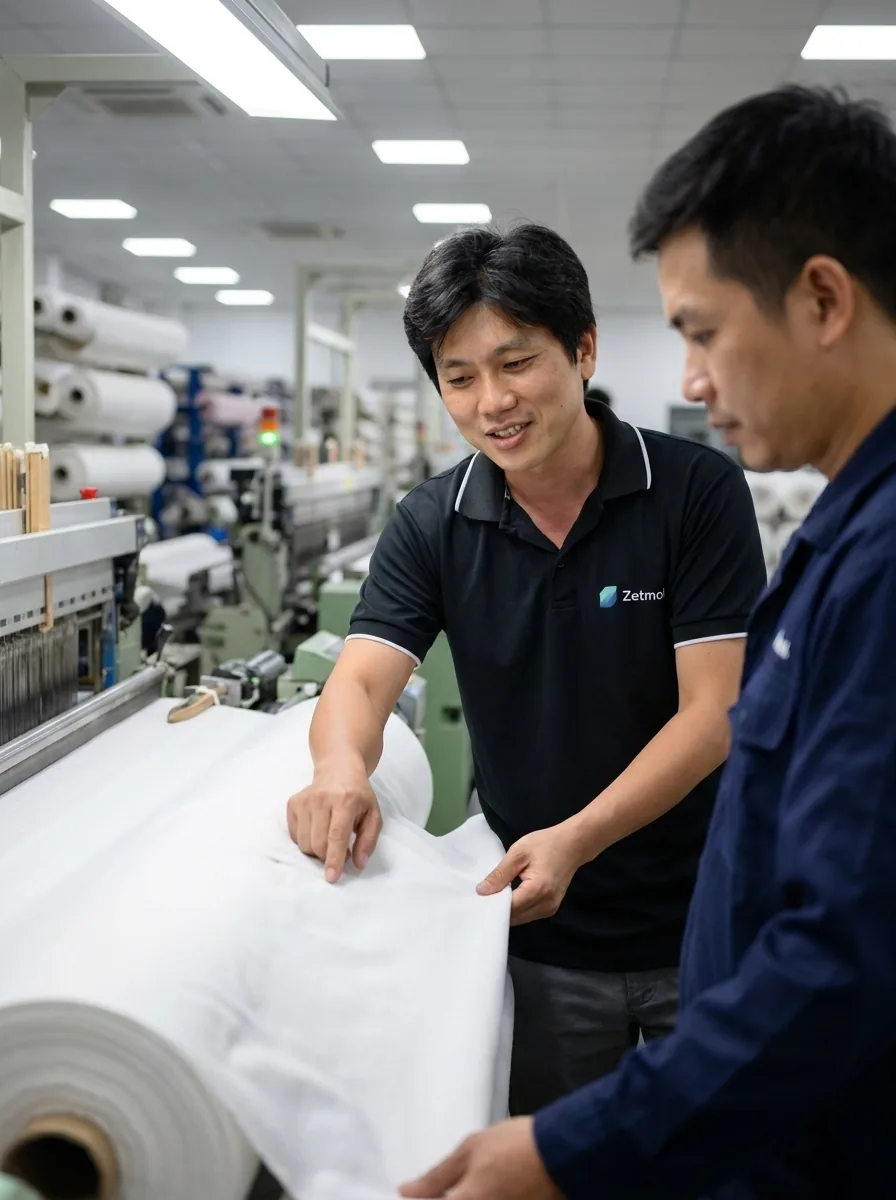
Two workers in a textile factory examine a large white fabric roll on a weaving machine, smiling as they inspect it.
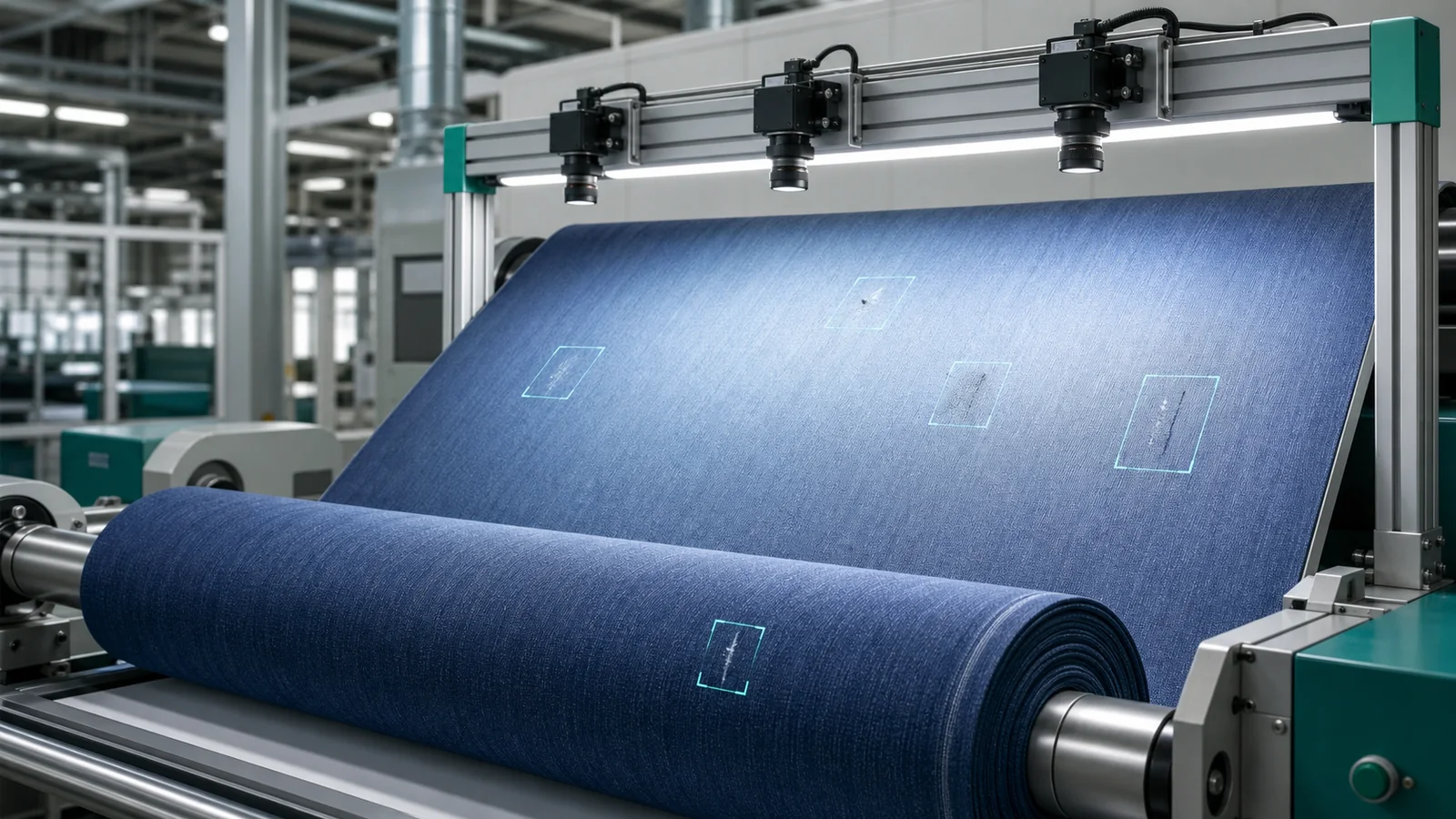
AI fabric inspection station scanning a blue textile roll with camera lighting and defect detection overlays.

We build the inspection workflow around your fabrics, your line and your quality rules.

Zetamotion provides more than an AI model. We bring together the cameras, lighting, inspection software, defect logic, reporting and deployment support needed to make automated inspection work in production.

Capture the fabric clearly

Detect the defects that matter to you

Apply your quality decisions

Map, report and act

Our platform overview
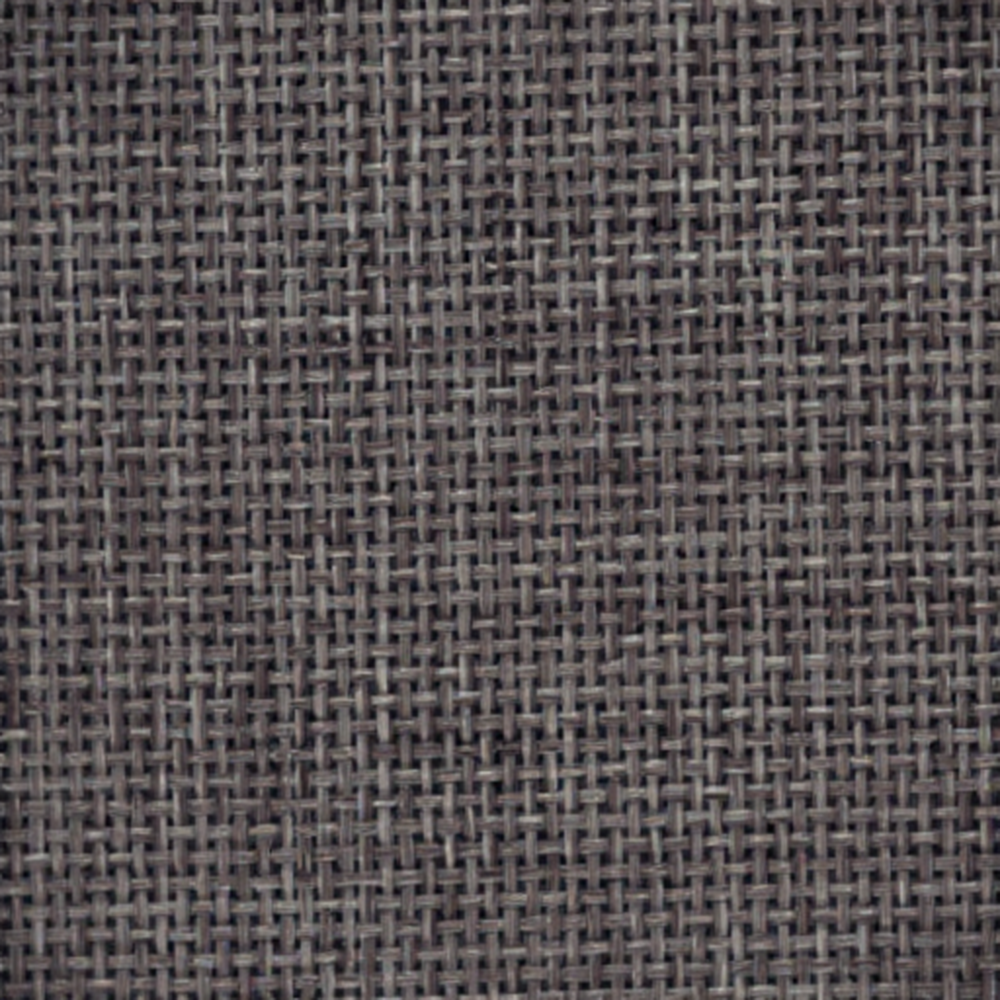
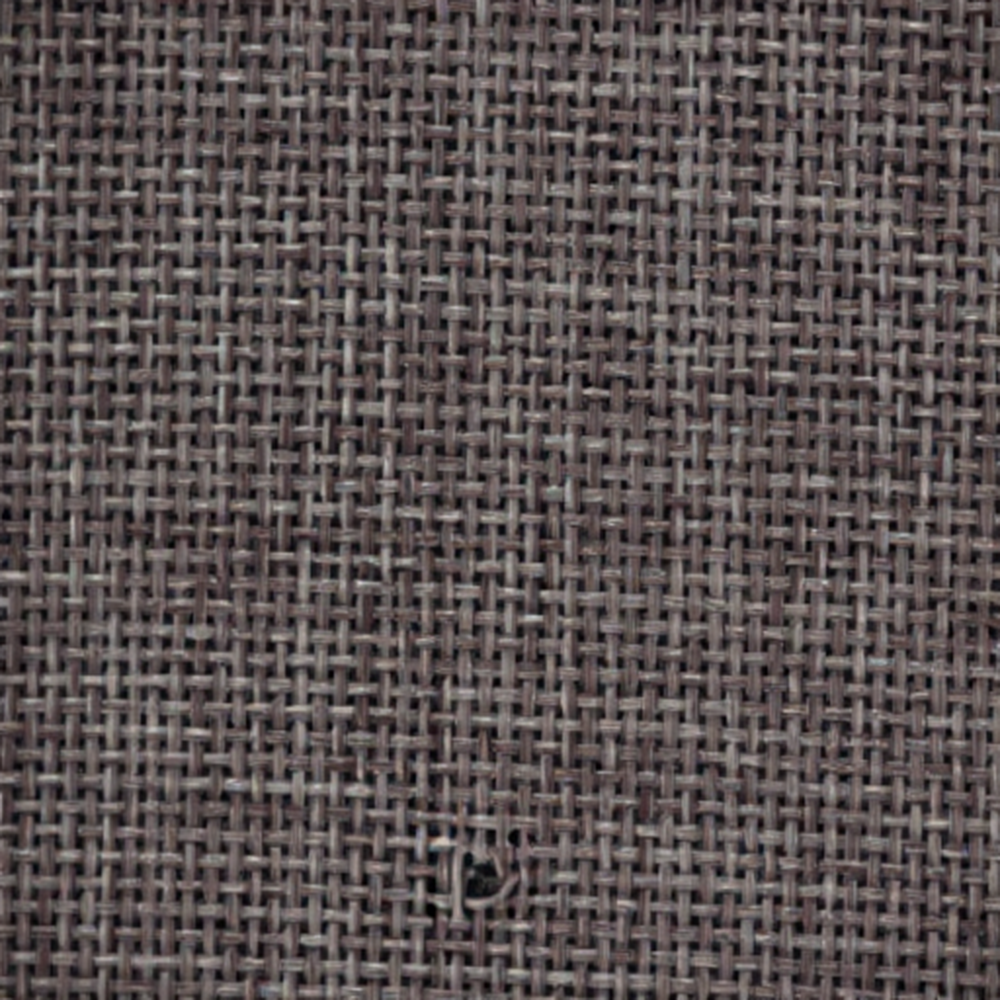
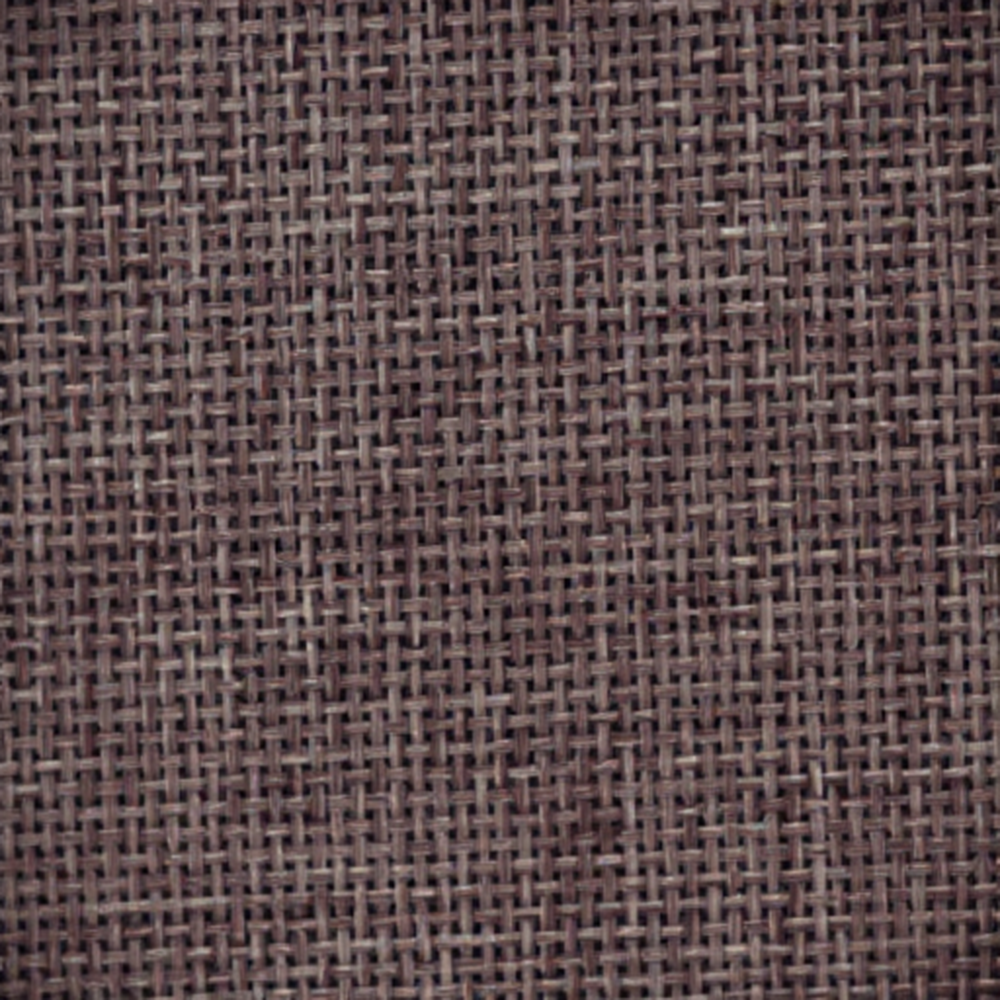
Fabrics and Textiles Defect Types

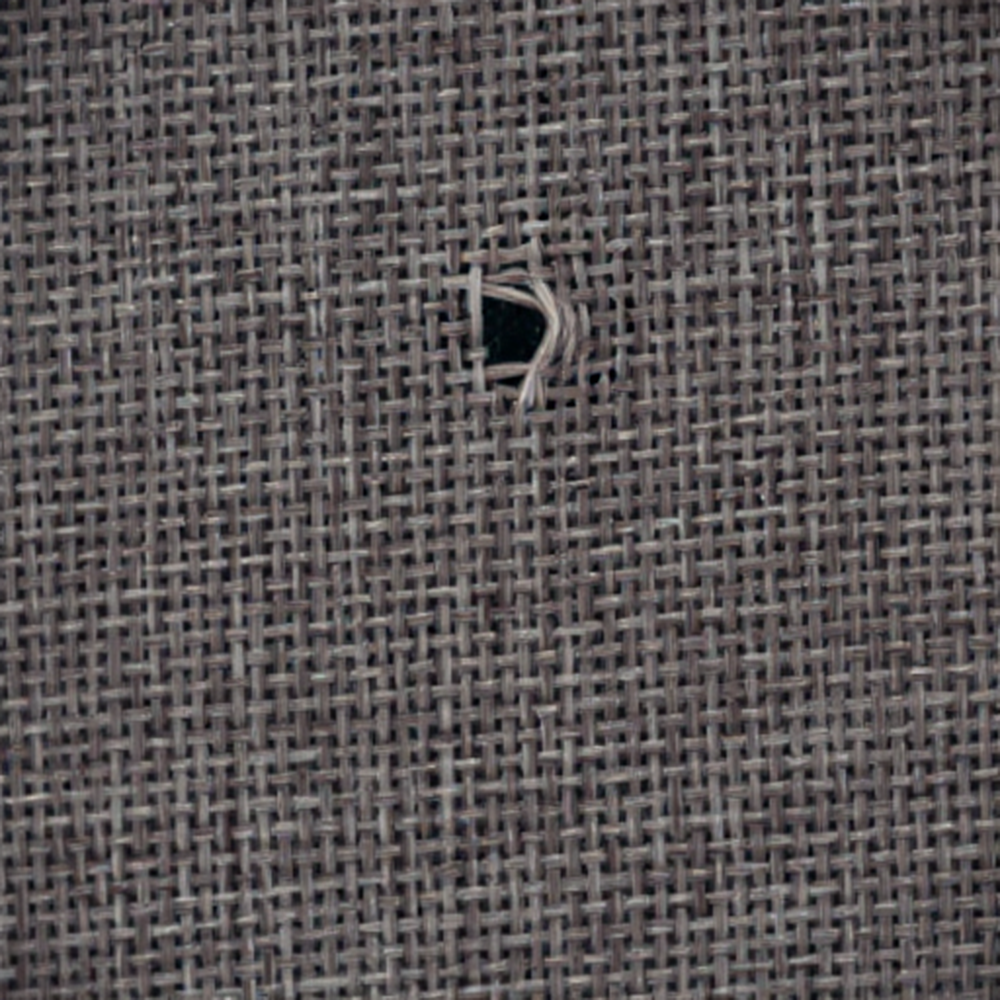
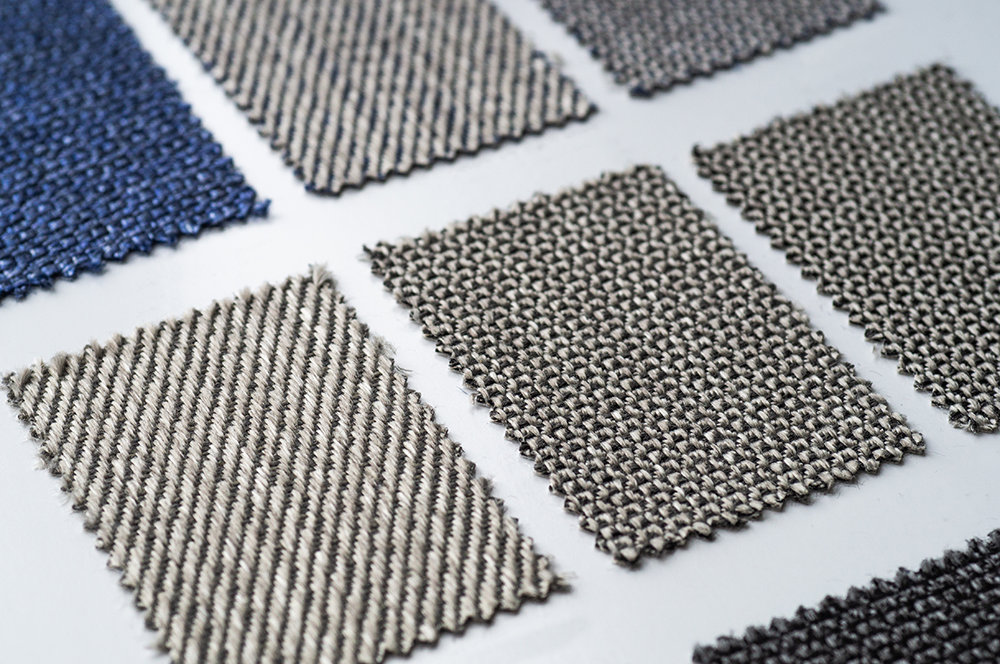
Fabric inspection is inherently complex due to variable weave patterns, fiber textures, and color inconsistencies that can mislead conventional vision systems. Our synthetic data approach overcomes these challenges by simulating realistic fabric textures, lighting, and motion effects, allowing our AI to accurately detect defects across a wide range of textile types. This enables fast deployment, reduced manual inspection, and uniform quality control across diverse materials. Some common defect types that we can inspect include, but are not limited to:

Weaving and knitting defects

Holes or tears

Stains and discoloration

Yarn misalignment or loose threads

Configuration & Reporting

Why choose Zetamotion: Hypercare that keeps inspection performing

Zetamotion provides a hands-on AI inspection partner. We stay involved after deployment, helping your team monitor performance, adapt models and workflows, and respond to new products, defects, and production requirements. It is an ongoing partnership designed to keep your inspection system reliable, scalable, and aligned with the realities of your factory floor.

An Embedded AI Team

Continuous Improvement

Ready to Scale and Adapt

Partnership & Service

Ready to see if AI fits your line?

Share your product specs, target defect sizes, and current QC workflow. We’ll send back a practical, step‑by‑step feasibility report. No strings attached.

Feasibility assessment