The Challenge
Roofing manufacturing is one of the harshest environments for automated inspection.
High temperatures. Dust. Loose granules. Vibrations. And production speeds that leave no room for hesitation.
In this case, a large roofing manufacturer operating a high speed asphalt shingle production line relied heavily on manual quality checks. Inspectors sampled products at intervals, visually assessed surface quality, and logged defects manually.
The limitations were clear.
- Inspection could not keep up with line speed
- Results varied between operators and shifts
- Defects were often discovered too late downstream
- Quality data was fragmented and hard to act on
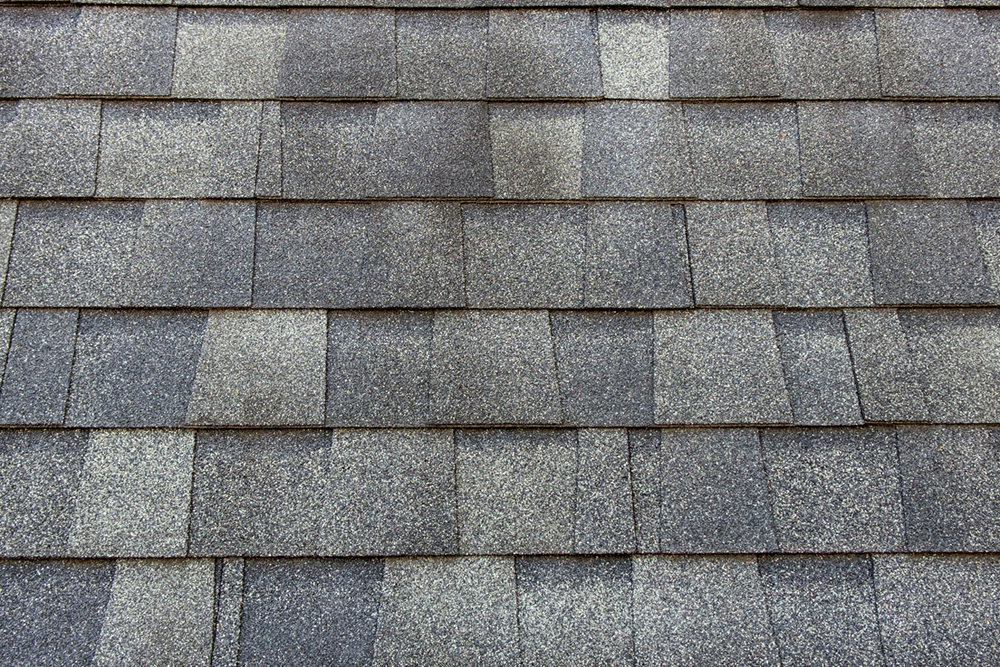
Most importantly, the product itself was inherently non uniform. Asphalt shingles have noisy, irregular textures by nature. Granule distribution varies. Surface appearance changes subtly across batches. These characteristics make traditional rule based vision systems unreliable and prone to false rejects.
The manufacturer needed a way to inspect every product in real time, directly on the line, without slowing production or drowning operators in false alarms.
Why Conventional Vision Systems Fail in Roofing
Roofing products expose three weaknesses in traditional machine vision.
Extreme line speed
The line runs at up to 850 feet per minute, leaving milliseconds per inspection.
Messy, high noise surfaces
Shingles are visually complex by design. Texture noise overwhelms threshold based systems.
Frequent product variation
Design changes, colour variations, and granule patterns evolve constantly.
Most off the shelf systems require months of tuning and large labelled datasets to reach stability. Even then, small process changes can break performance.
The Solution
Zetamotion deployed inline AI powered visual inspection using the Spectron platform, purpose built for noisy, high variation environments.
The system was installed directly on the production line with industrial cameras and lighting designed to survive dust, vibration, and speed.
Rather than trying to eliminate surface noise, the AI model was trained to understand what normal variation looks like, and focus only on true quality deviations.
Key elements of the deployment included
- Inline inspection at full production speed
- Support for over 30 quality parameters
- Human in the loop feedback for rapid tuning
- On premise inference with real time dashboards
- Rapid onboarding for new product designs
Synthetic data played a critical role. Instead of waiting weeks to collect rare defect samples, the system learned from minimal real data and generated realistic variations to close coverage gaps.
Results at a Glance
Inspection performance
- Up to 850 feet per minute sustained line speed (~4m/s)
- Over 30 quality parameters monitored simultaneously
- Real time inspection of every shingle produced
Operational impact
- 99% reduction in inspection time
- 90% reduction in inspection errors
- Approximately 80% reduction in manual inspection workload
- 10% reduction in material waste
Scalability
- Rapid onboarding of new product designs
- Minimal retraining required when textures or patterns changed
- Consistent performance despite noisy surface appearance
What previously required extensive manual effort now runs continuously in the background, providing a live digital record of product quality.
Why It Worked
This project succeeded because it did not treat roofing like a clean lab problem.
The system was designed for reality.
- Instead of rigid rules, the AI model learned acceptable variation
- Instead of massive labelled datasets, synthetic data filled the gaps
- Instead of black box decisions, operators stayed in the loop
- Instead of slowing the line, inspection matched production speed
By capturing expertise from experienced inspectors and feeding it back into the model, knowledge was preserved rather than lost.
Turning Quality Data into Action
All inspection results flowed into a live dashboard.
- Operators could see defects as they occurred
- Engineers tracked trends across shifts and batches
- Quality teams correlated defects with upstream process changes
This turned inspection from a reactive gatekeeper into a predictive quality tool.
Earlier detection meant less rework, less waste, and faster root cause analysis.
A Blueprint for High Speed Manufacturing
This roofing deployment proves a broader point.
AI based visual inspection is not limited to clean, uniform products. With the right approach, it thrives in environments that break conventional systems.
- High speed lines
- Messy production conditions
- Noisy, non uniform surfaces
- Frequent product variation
These are not blockers. They are where modern AI inspection delivers the most value.
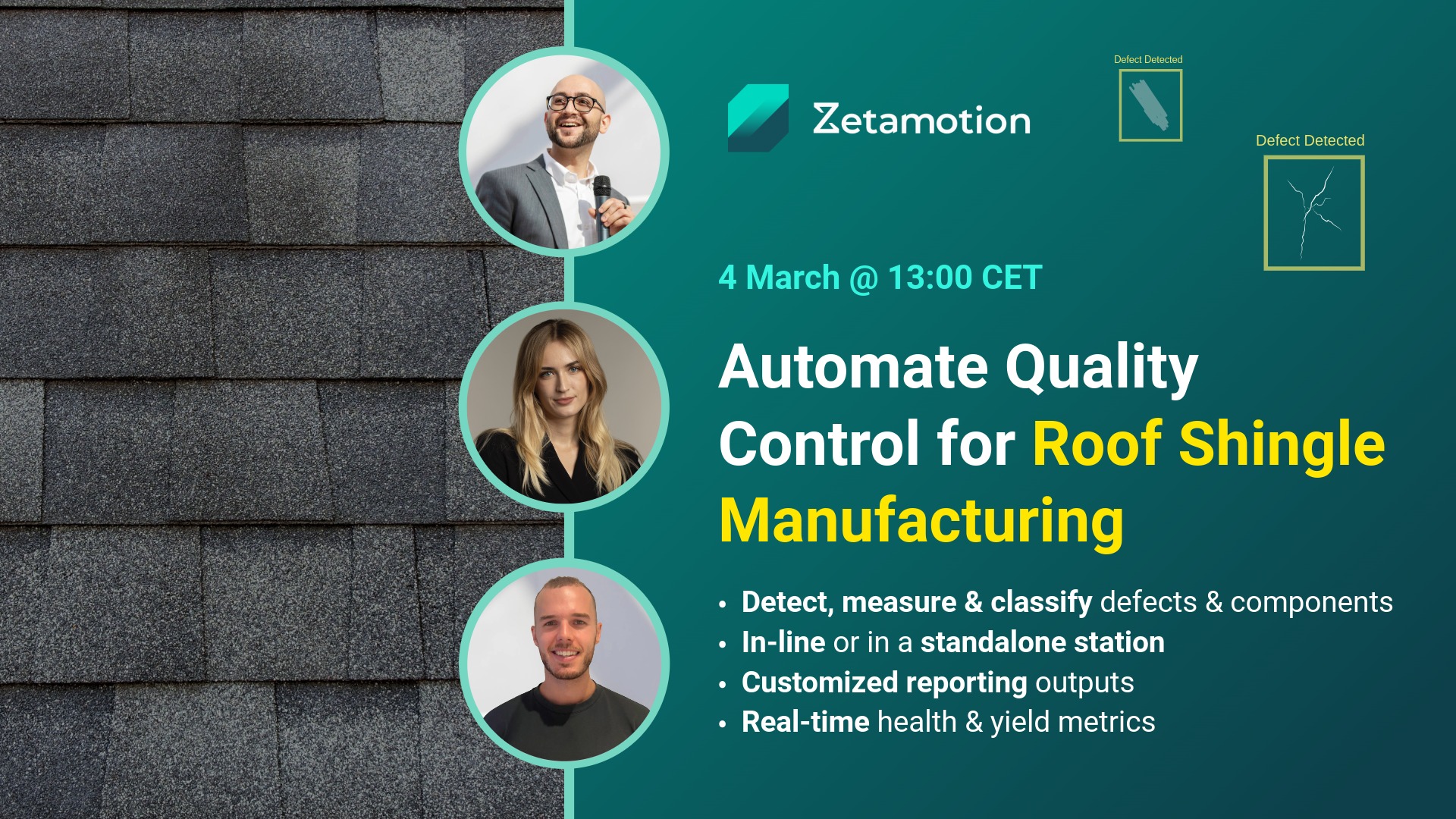
Spectron for Roofing: Join us for an industry-focused webinar
As roofing manufacturers push for higher throughput, tighter tolerances, and greater consistency, traditional inspection methods struggle to keep up. In this webinar, we’ll show how Spectron™ enables automated, real-time defect detection and classification across roofing production lines — reducing scrap, improving yield, and providing measurable quality insights.