Introduction: Solving the Industrial Defect Data Bottleneck
Deploying reliable AI defect detection systems in manufacturing almost always runs into the same problem:
You do not have enough defect data.
Defects are rare.
Labeling is slow.
New SKUs require new datasets.
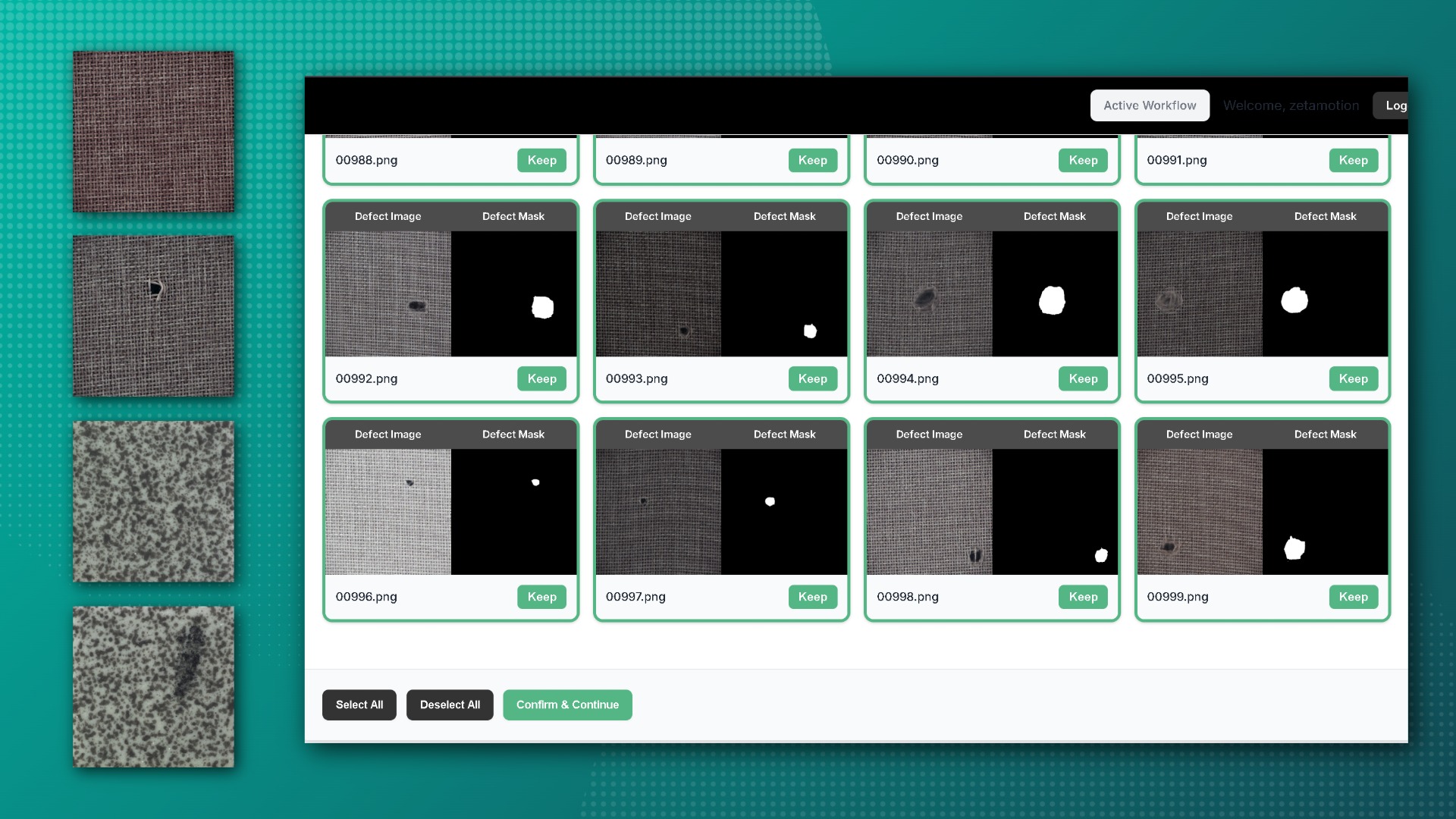
The ZELIA AI Inspection Assistant was developed to remove this bottleneck using controlled synthetic defect generation.
To demonstrate how this works in practice, we use reference surfaces from the well-known MVTec Anomaly Detection Dataset by MVTec Software GmbH.
Below, we show:
- Clean surface inputs
- Real defect samples
- Corresponding synthetic defect and clean surface outputs
1. Tile Surface: Subtle Gray Stroke Anomalies
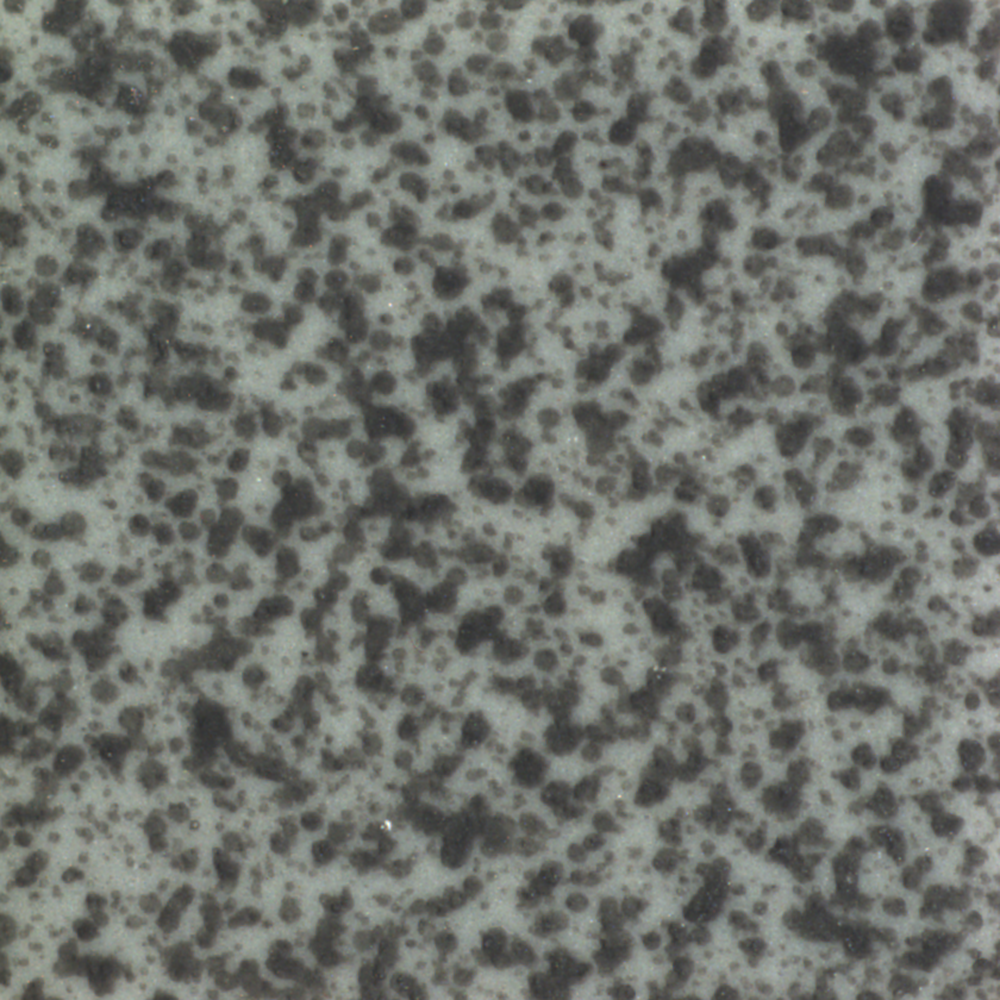
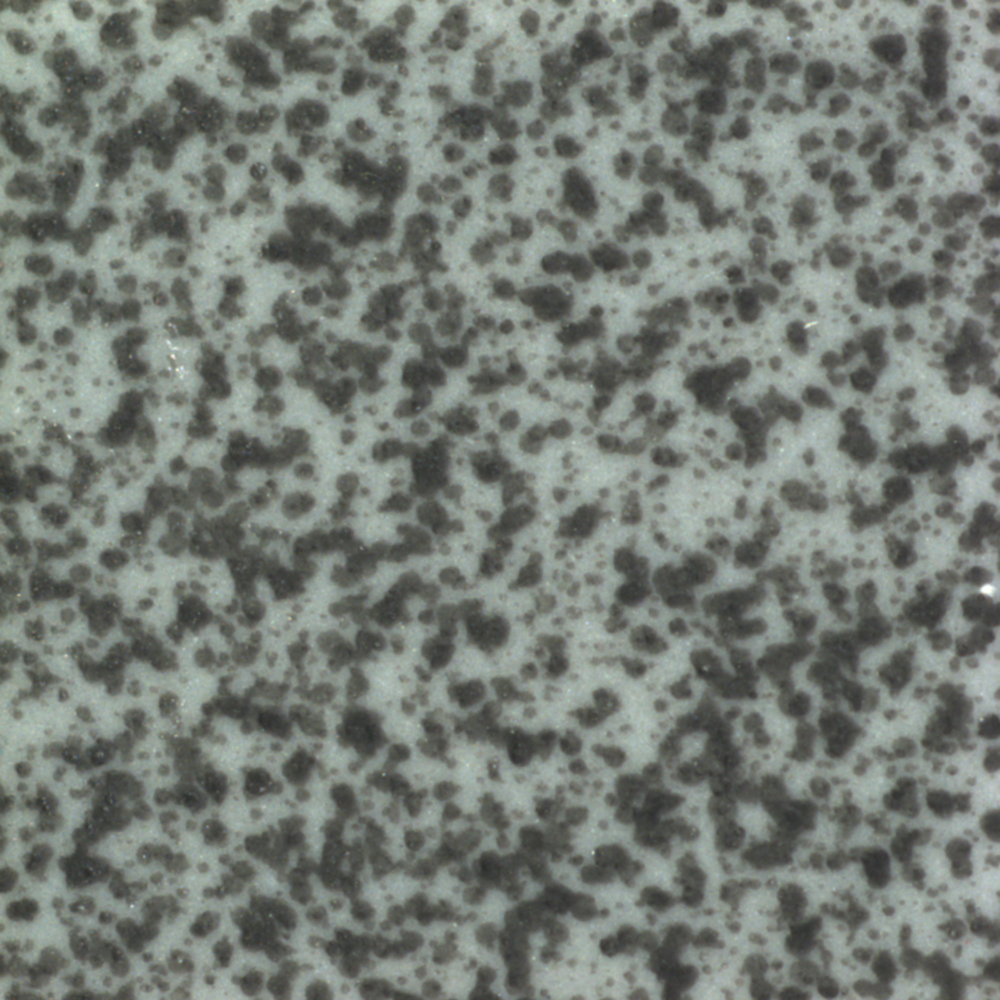
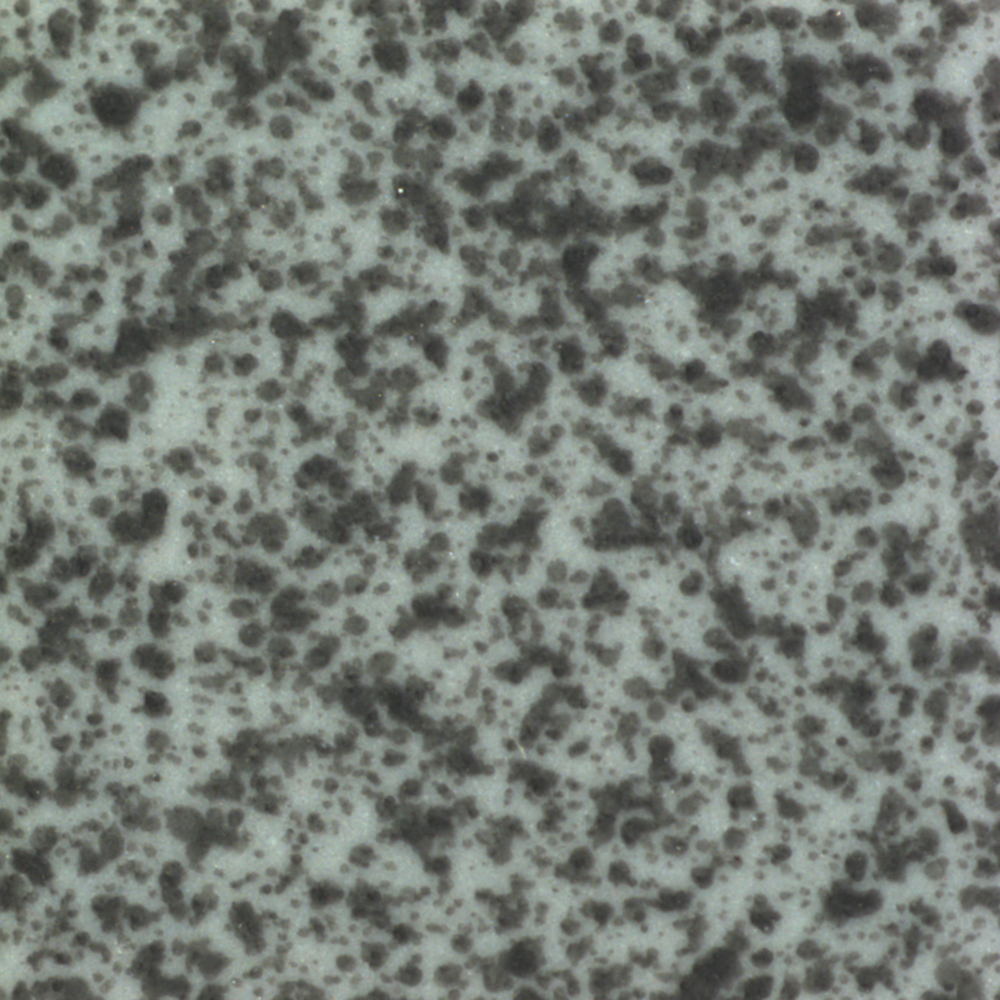
Tile surface inspection is hard because defects are often hard to distinguish from the surface itself and the pattern/texture presents as non-uniform (every tile is slightly different).
We demonstrate:
- Clean surface
- Gray stroke defects
Tile — Clean Surface
Clean tiles show a non-uniform pattern structure:
3 Real clean surface input data samples:
Some ZELIA generated clean surface synthetic data samples (1000 images generated in total):
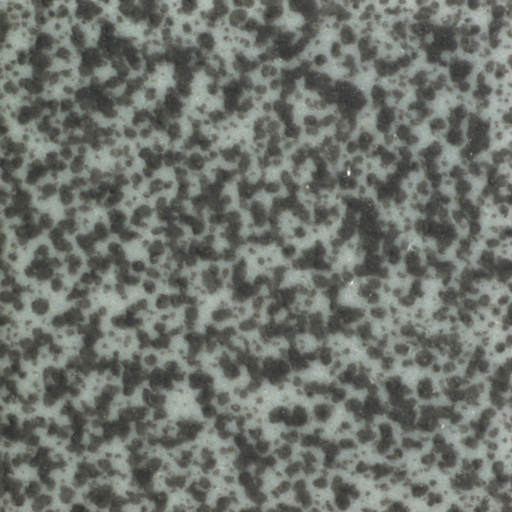
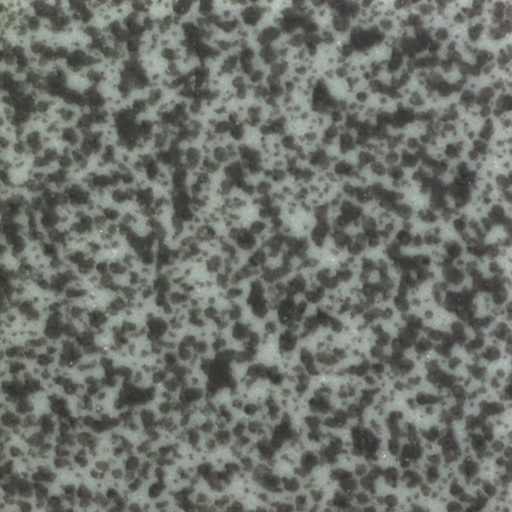
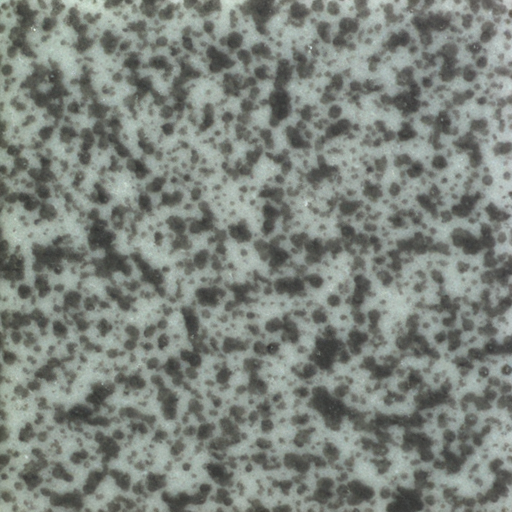
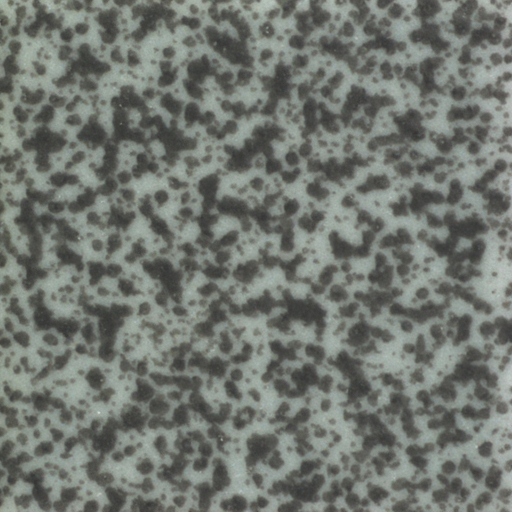
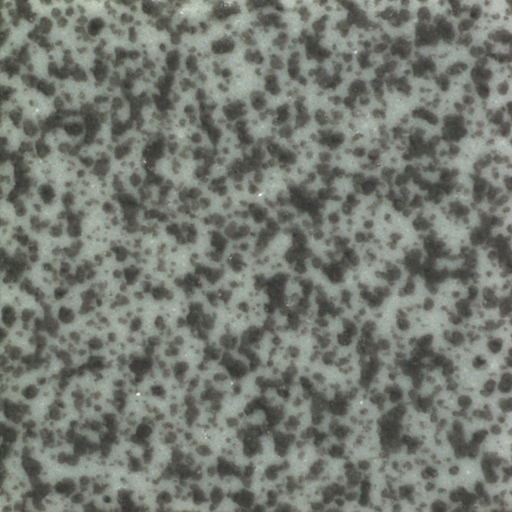
Small deviations can easily be missed by rule-based systems.
Tile — Gray Stroke Defects
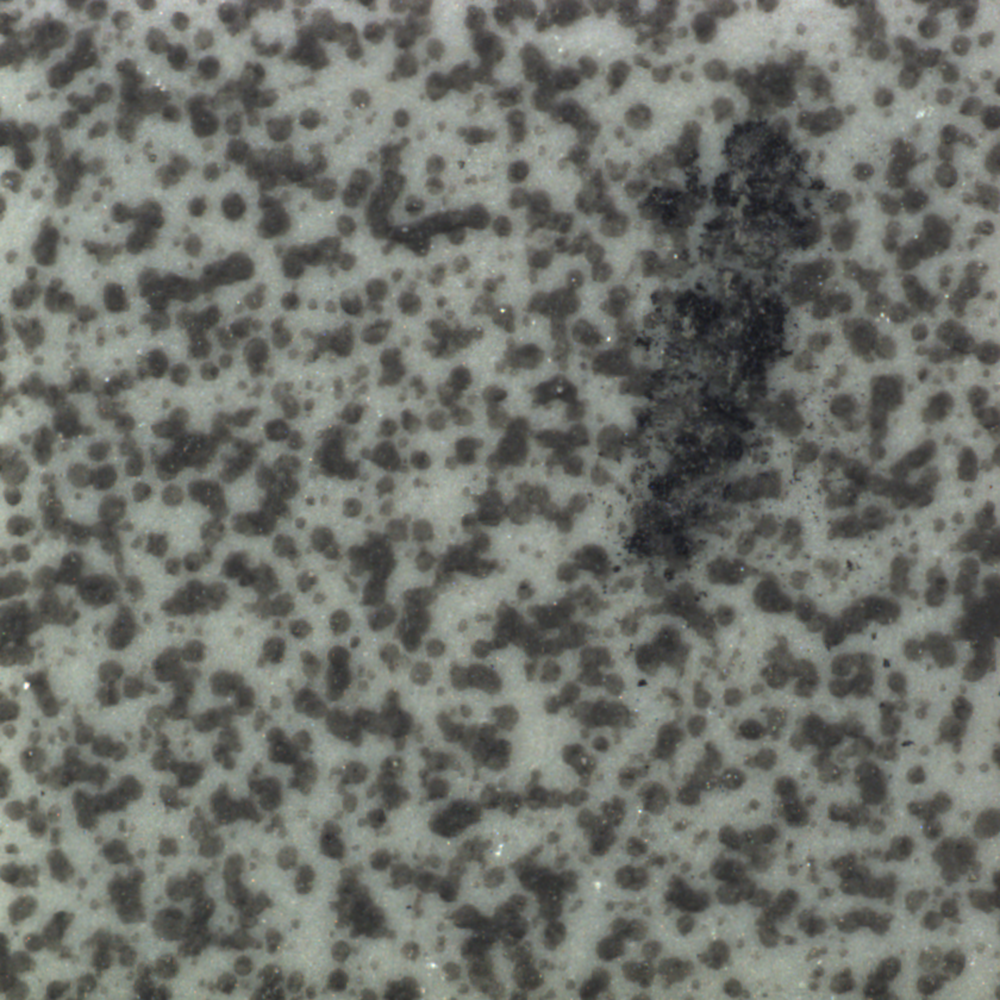
Gray stroke defects present as:
- Elongated shading variations
- Slight contamination patterns
- Local grayscale disruption
Real Gray Stroke defect surface input data sample:
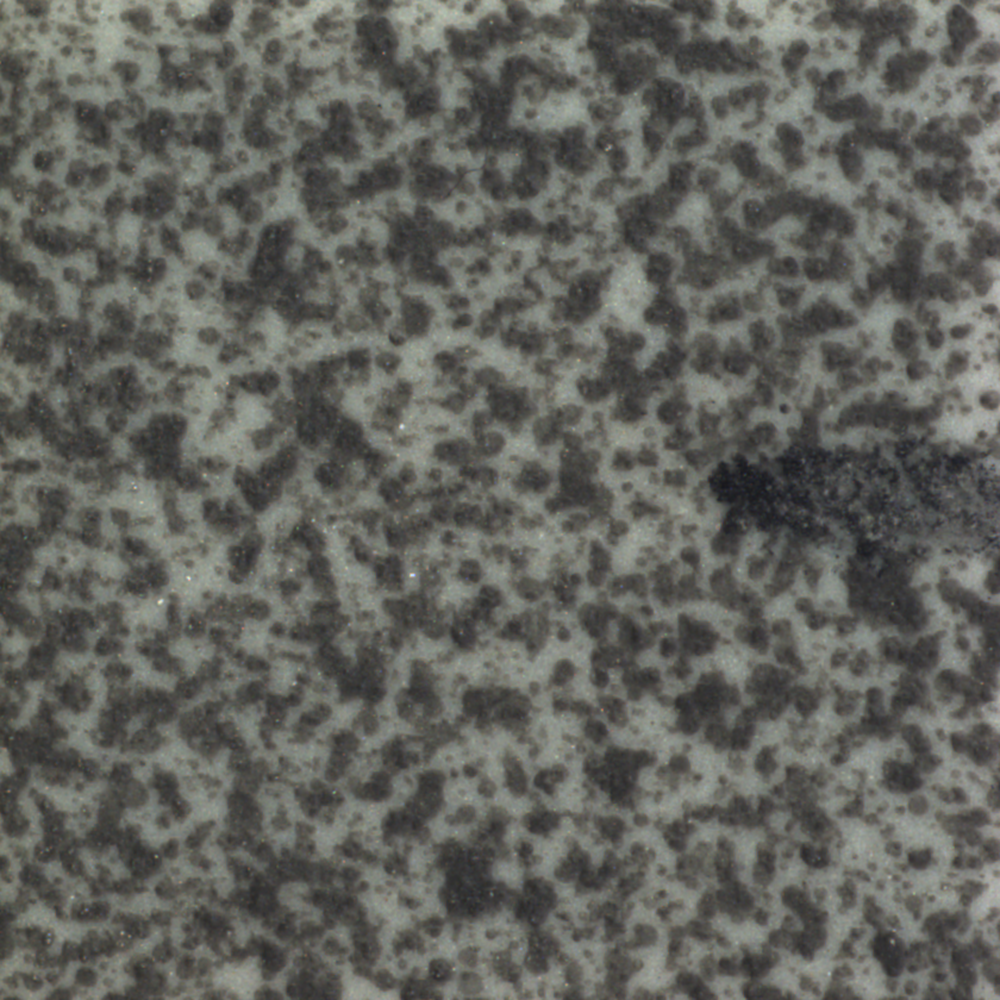
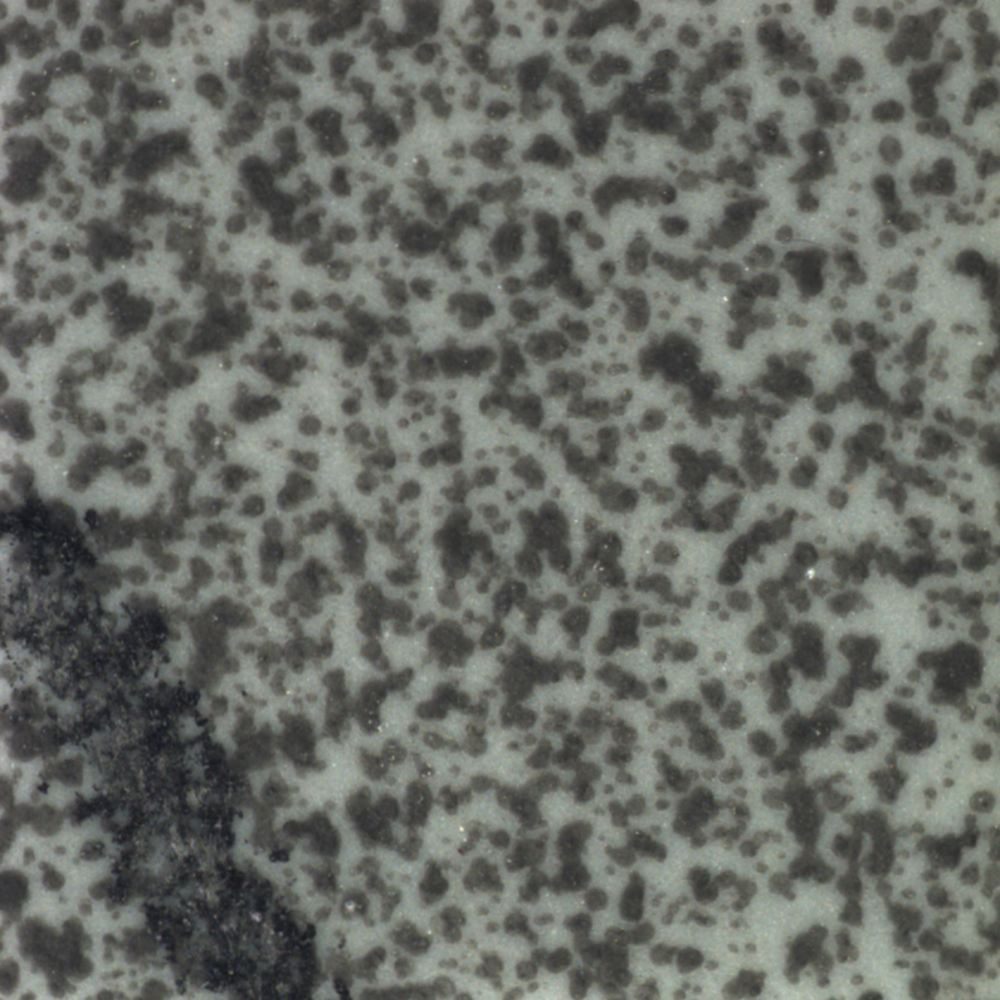
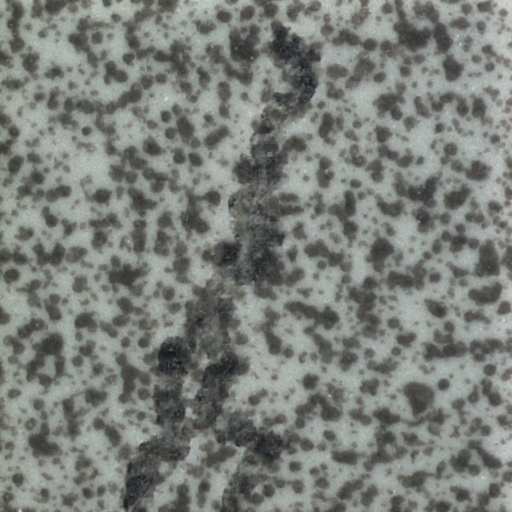
ZELIA generates:
- Stroke path variation
- Controlled opacity shifts
- Position randomness
Some ZELIA generated Gray Stroke defect synthetic data samples (1000 images generated in total):
2. Carpet Surface: High Frequency Texture Challenges
Carpet surfaces introduce dense, high-frequency texture variation.
We demonstrate:
- Clean surface
- Hole defects
Carpet — Clean Surface
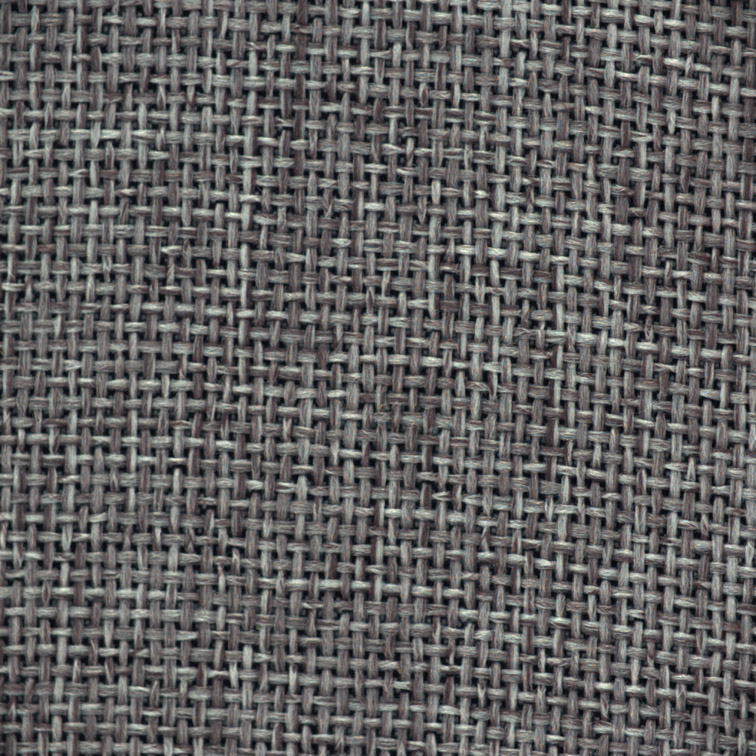
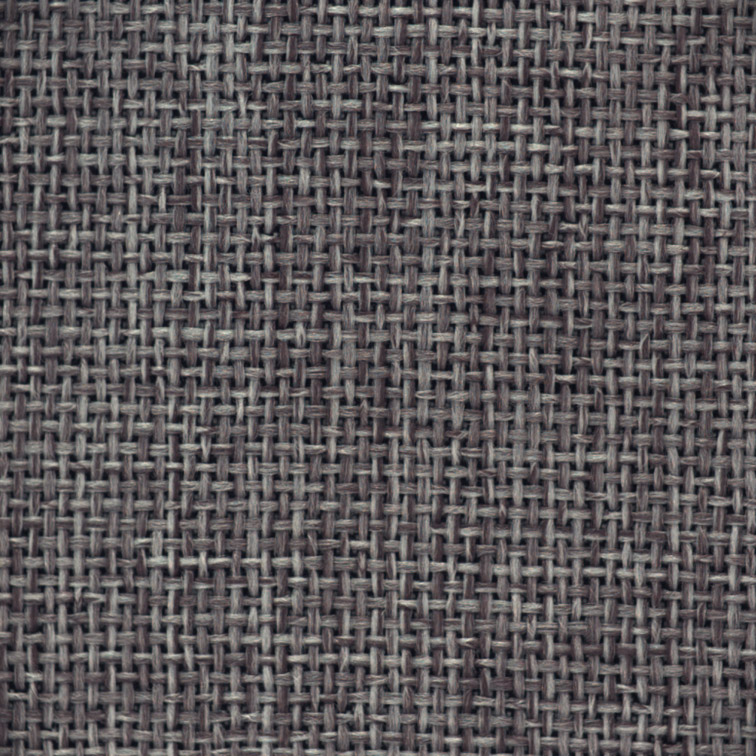
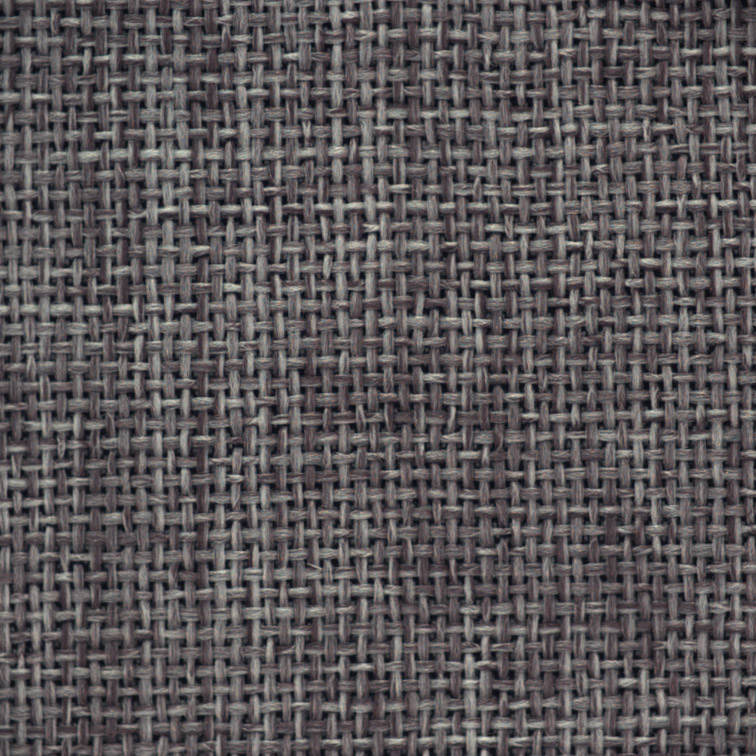
Clean carpet surfaces include:
- Dense fiber structures
- Directional weave patterns
- Micro texture randomness
3 Real clean surface input data samples:
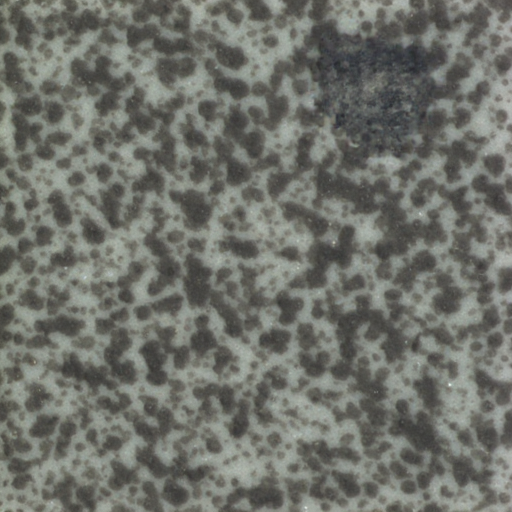
Some ZELIA generated clean surface synthetic data samples (1000 images generated in total):
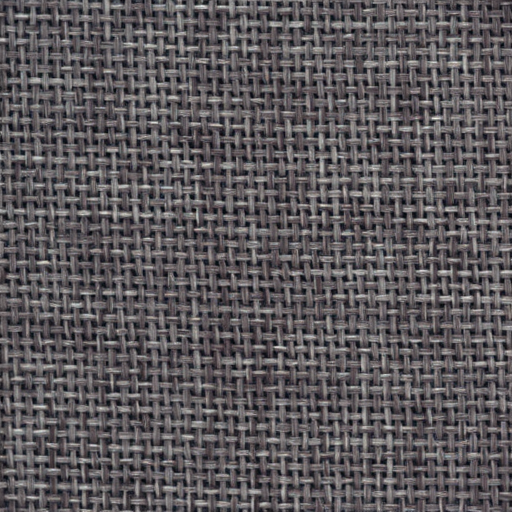
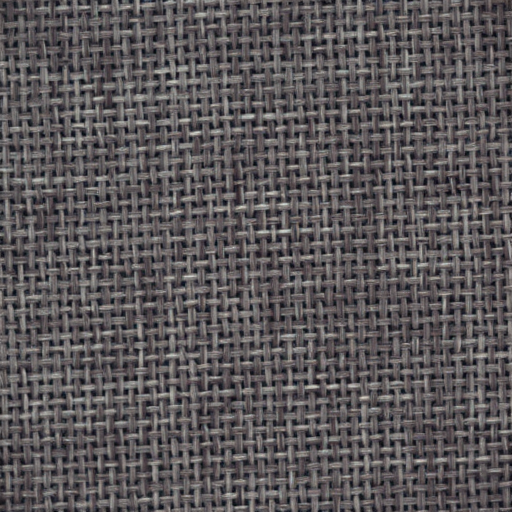
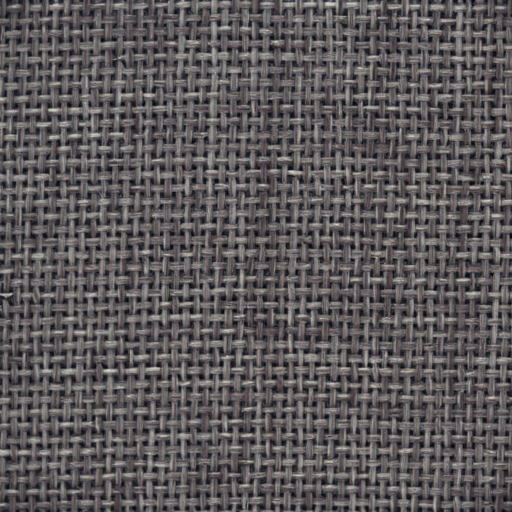
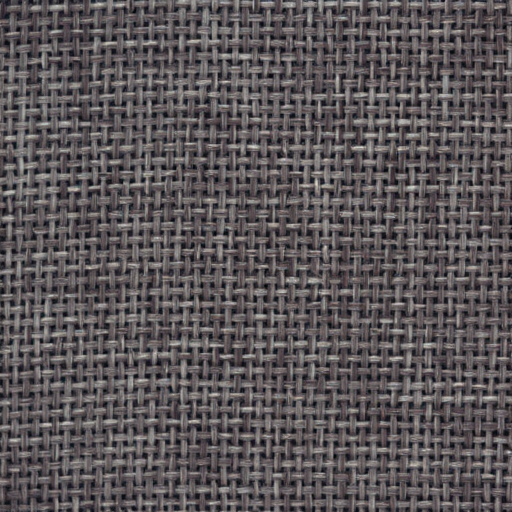
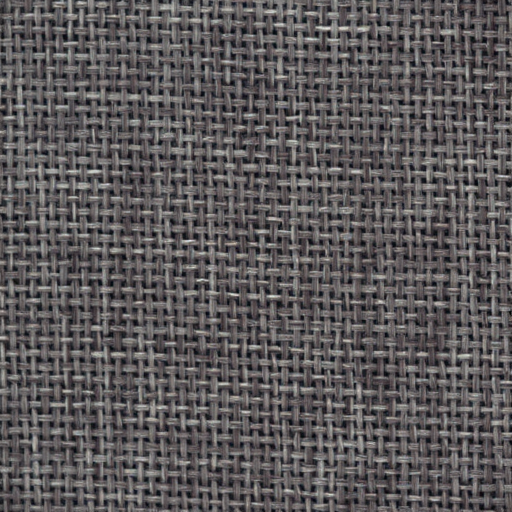
Differentiating true damage from natural fiber irregularity requires strong data representation.
Carpet — Hole Defects
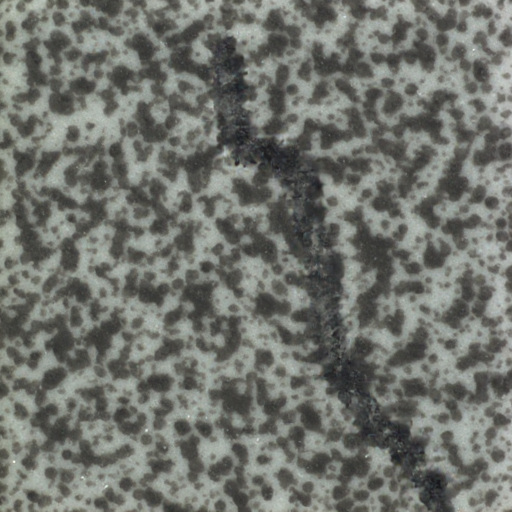
Hole defects introduce:
- Fiber absence
- Surrounding distortion
Real Hole defect surface input data sample:
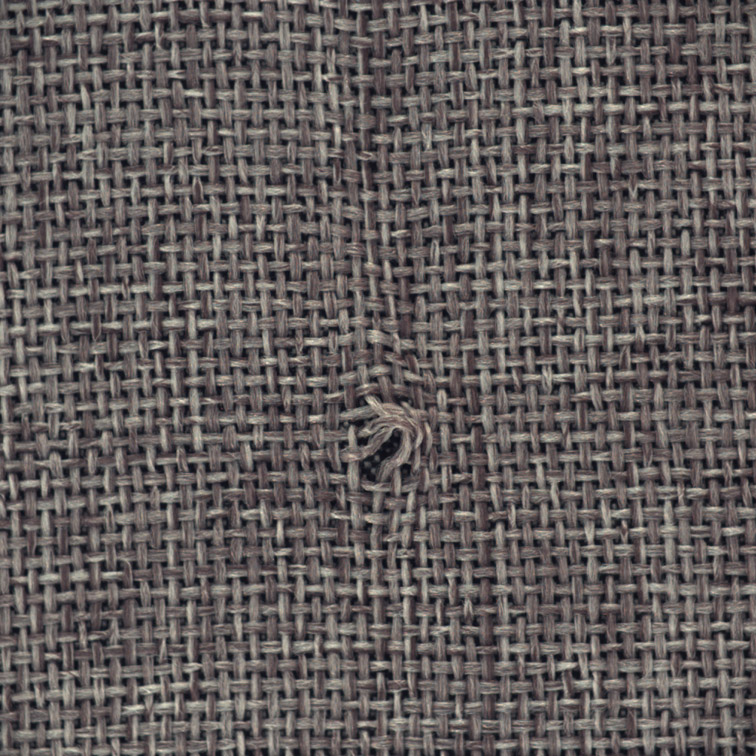
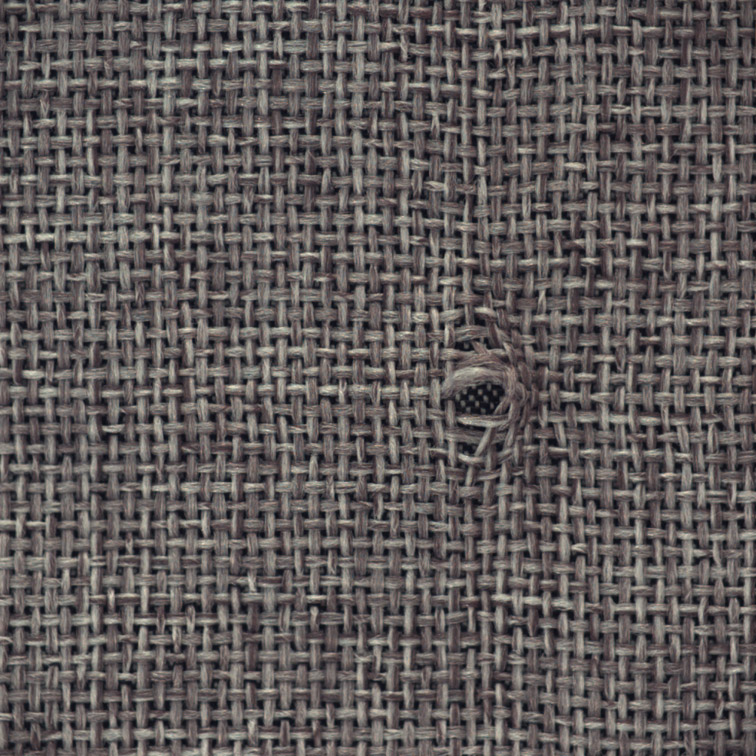
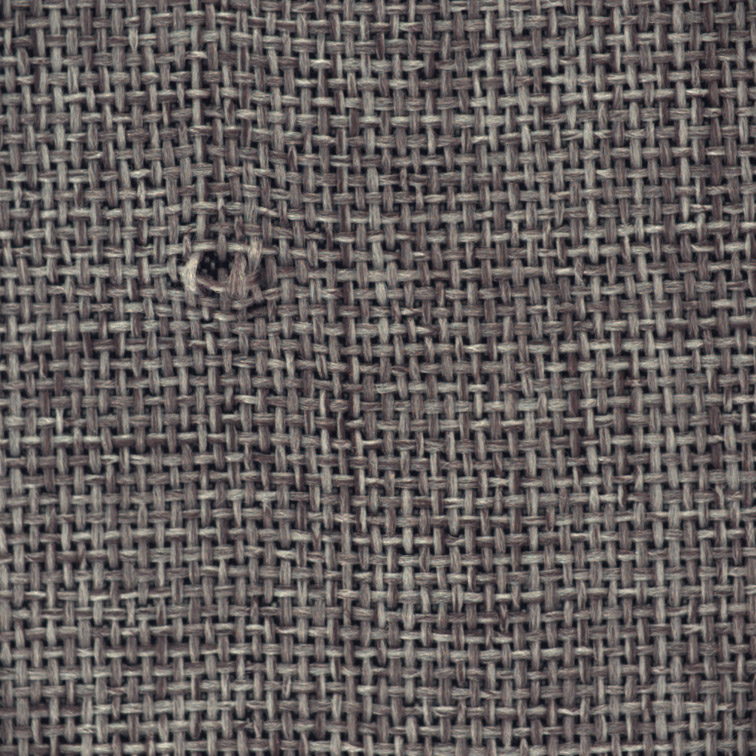
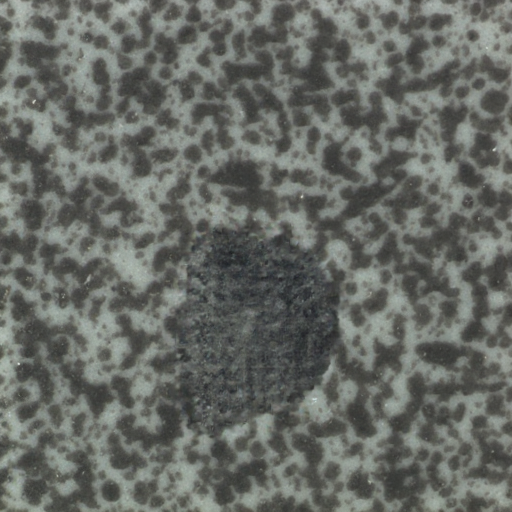
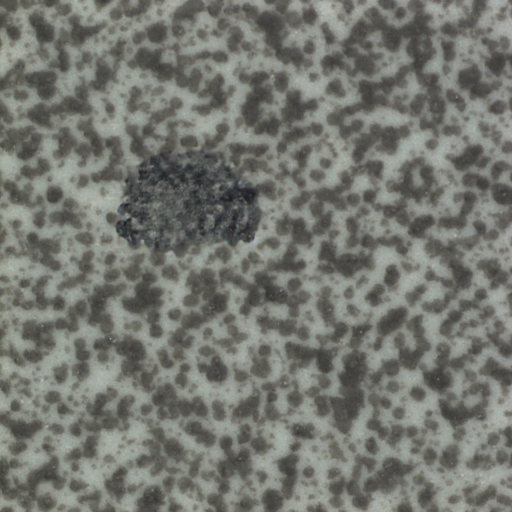
Synthetic hole variation preserves fiber boundary behavior rather than introducing unnatural artifacts.
Some ZELIA generated hole defect synthetic data samples (1000 images generated in total):
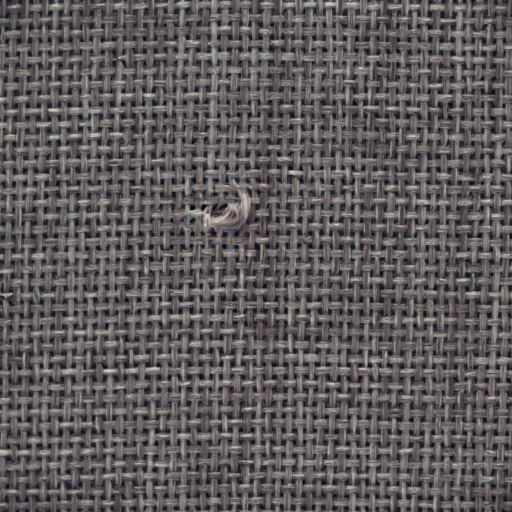
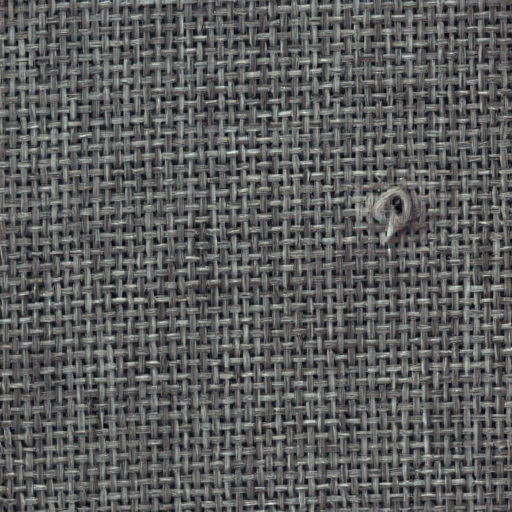
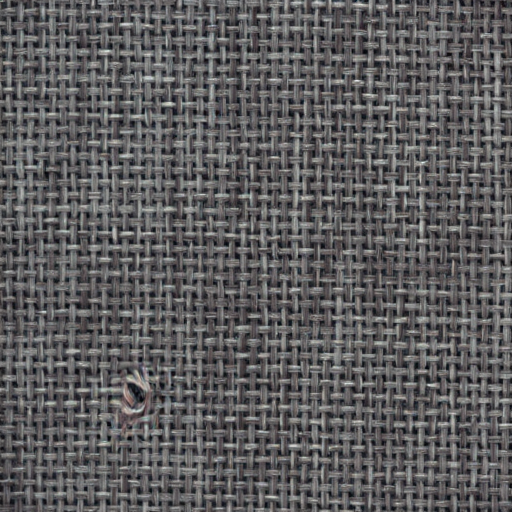
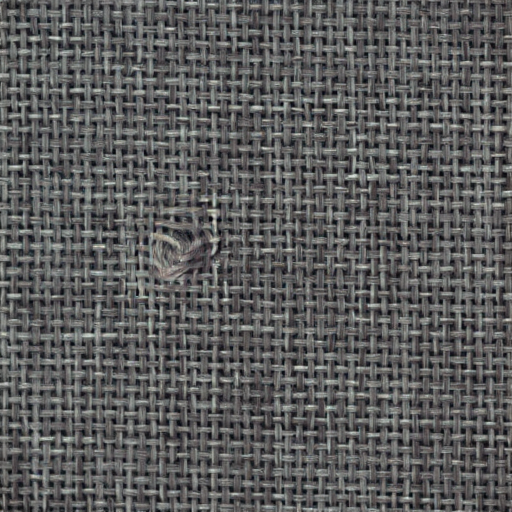
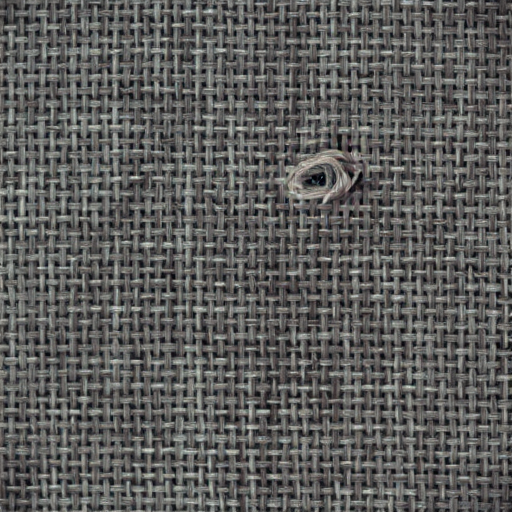
ZELIA models fiber alignment and weave continuity to avoid unrealistic synthetic edges.
How ZELIA Generates Synthetic Defect Data
The full pipeline is outlined in the
👉 ZELIA Demo Walkthrough
In summary:
- Upload clean images
- Generate synthetic clean variations
- Upload limited defect samples
- Generate defect variants with masks
- Validate and export training data
- Train and deploy inspection models
ZELIA integrates into the broader Zetamotion ecosystem, including:
This ensures synthetic data generation is not isolated, but part of an end-to-end inspection deployment workflow.
Why This Matters for Automated Visual Inspection
Across the above tile, and carpet surfaces:
- Real defect data is limited
- Surface variability is high
- Model generalization is difficult
Synthetic data for quality inspection solves:
- Cold start problems
- Class imbalance
- Rare defect underrepresentation
When generated correctly, synthetic defects:
- Improve recall
- Speed up deployment
- Reduce false positives
- Increase robustness across batches
This is especially relevant for manufacturers evaluating scalable AI inspection without building in-house computer vision teams.
Conclusion
Using benchmark surfaces like tile and carpet demonstrates a simple truth:
Synthetic defect generation is practical when it respects material structure.
The ZELIA AI inspection assistant enables manufacturers to move from limited real defect samples to scalable AI defect detection systems faster and with less risk.
If you would like to see how this works in practice:
👉 Explore the ZELIA Overview
👉 Watch the ZELIA Demo Walkthrough
👉 Or request a Spectron Platform Demo