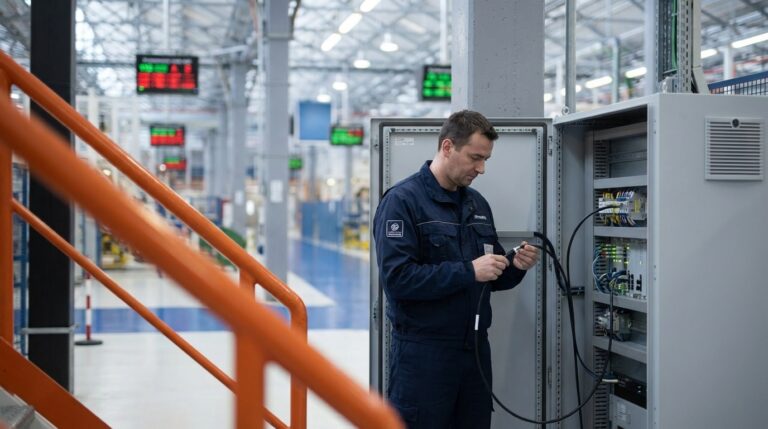
In manufacturing, the debate between manual inspections and AI-powered inspection systems leads to one clear outcome: AI inspection delivers superior results. As production demands grow more complex, the inefficiencies of manual quality checks become glaringly obvious. This article explores ten reasons why AI inspection systems—equipped with advanced defect detection and machine vision—outperform their manual counterparts.
1. Unmatched Accuracy
Accuracy is the foundation of quality control. Manual inspection is vulnerable to fatigue, distraction, and subjective judgment. In contrast, AI-powered systems leverage sophisticated algorithms to detect even microscopic defects. False positives and negatives fall dramatically, improving customer satisfaction and protecting brand integrity.
2. Speed of Processing
Manual checks slow down production. AI systems analyze products in milliseconds, keeping pace with high-throughput lines. This speed transforms quality control from a bottleneck into a seamless part of production, supporting faster cycle times and improved yield.
3. Scalability
Scaling manual QA requires hiring and training more inspectors. AI inspection scales effortlessly with software updates, additional cameras, or hardware modules. As production grows, systems adapt without sacrificing accuracy or throughput.
4. Consistency Across Inspections
Human variability means defect detection differs from shift to shift. AI ensures every part is inspected with the same criteria, providing repeatability and reliability across lines and plants. This consistency underpins trust in both internal processes and customer-facing quality.
5. Comprehensive Data Analytics
AI inspection systems do more than spot defects. They collect structured data that reveals patterns and root causes. Teams gain visibility into recurring issues, machine-level performance, and production trends—enabling proactive improvements rather than reactive fixes. Insights become a driver for continuous improvement strategies.
6. Reduced Operational Costs
While setup requires investment, AI quickly pays for itself. Reduced labor, lower scrap rates, and fewer reworks cut costs. In one aviation glass project, automated inspection saved hundreds of hours of manual checks within months, aligning with the ROI expectations most manufacturers demand within 6–12 months.
7. Flexibility in Application
AI inspection applies across sectors—from electronics and aerospace composites to automotive and food packaging. With synthetic data, systems can train rapidly on new defect types without massive data collection. This adaptability supports fast product introductions and compliance in regulated industries.
8. Improved Worker Effectiveness and Safety
Automating repetitive visual checks reduces physical strain on employees and lowers the risk of fatigue-related errors. Freed from monotonous tasks, workers can focus on higher-value activities such as process optimization and data-driven decision-making—roles that increase engagement and retention.
9. Real-Time Inspection and Feedback
AI systems flag defects instantly, enabling immediate corrective action. This real-time loop ensures defective products are caught before reaching customers. Faster feedback drives continuous improvement and helps maintain brand reputation for reliability.
10. Ethical and Social Responsibility
Catching defects earlier means less waste, lower energy use, and more sustainable operations. By optimizing resource use and reducing rework, AI inspection supports sustainability goals while helping manufacturers meet growing expectations for ethical production.
Conclusion
AI inspection systems outperform manual QC across every dimension—accuracy, speed, scalability, and sustainability. As industries face rising expectations for throughput, compliance, and efficiency, embracing AI-driven visual inspection is no longer optional. It is a strategic move that enables manufacturers to set the pace rather than struggle to keep up.
👉 See Spectron in action to explore how AI-based inspection can transform your production line.